Cooking
How to make dinner from what you already have at home, without a run to the store, and how to convert cups, ounces and temperatures so a recipe comes out right.
Cooking
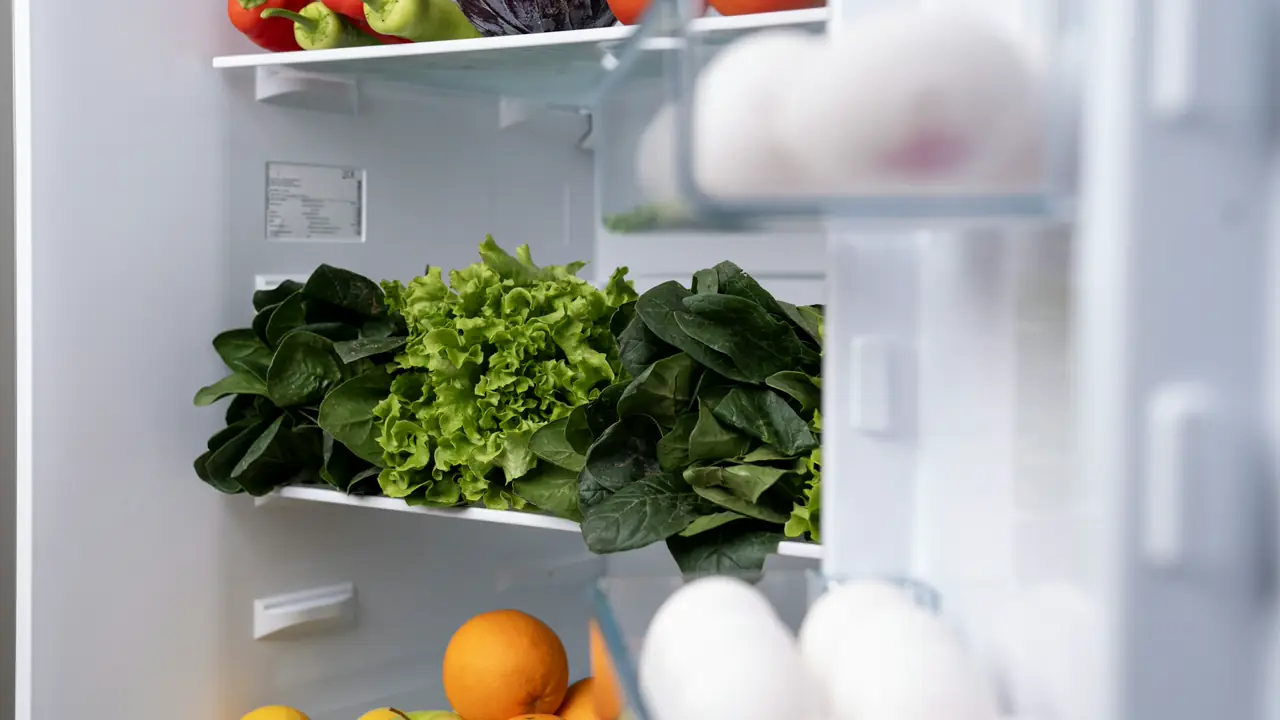
Dinner from what you already have: three fridge steps
A meal from what you already have: three steps to turn the fridge into dinner, without a run to the store.
Cooking
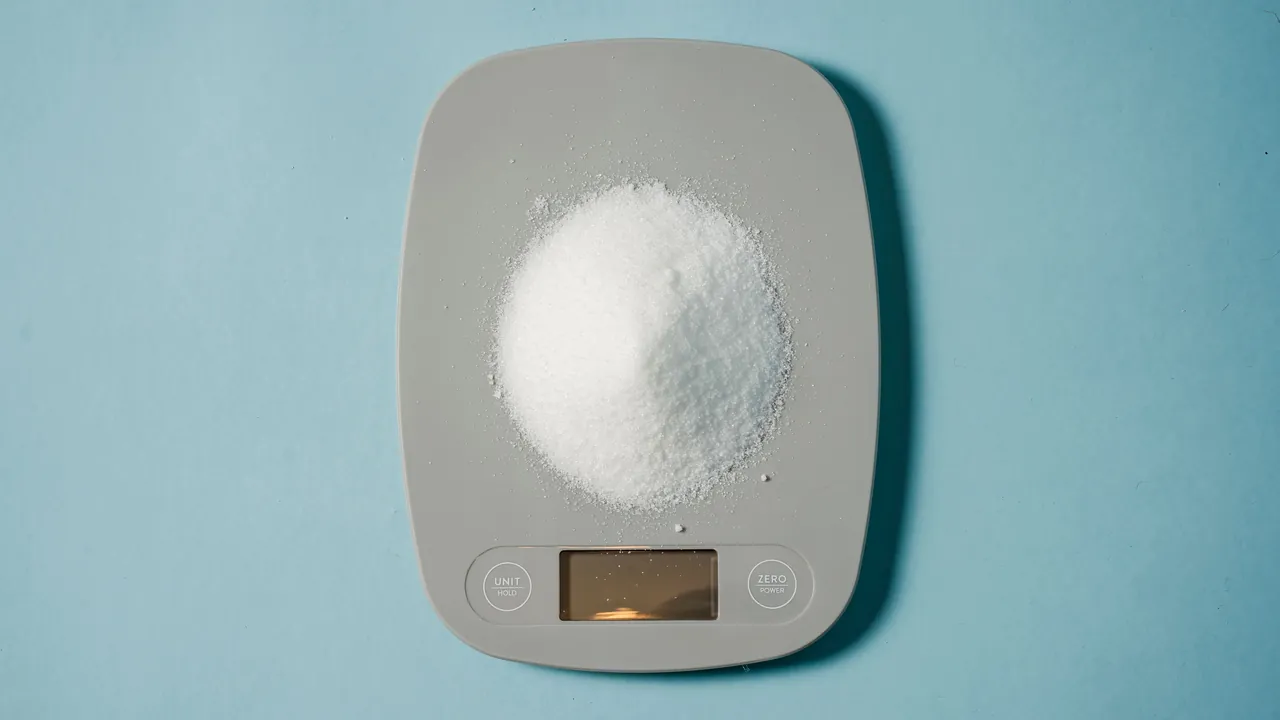
How many grams in a cup? Flour, sugar, butter and oil
Cups to grams: flour, sugar, butter and oil across several sources. The range, why the charts disagree, and how to measure properly for baking.
Cooking
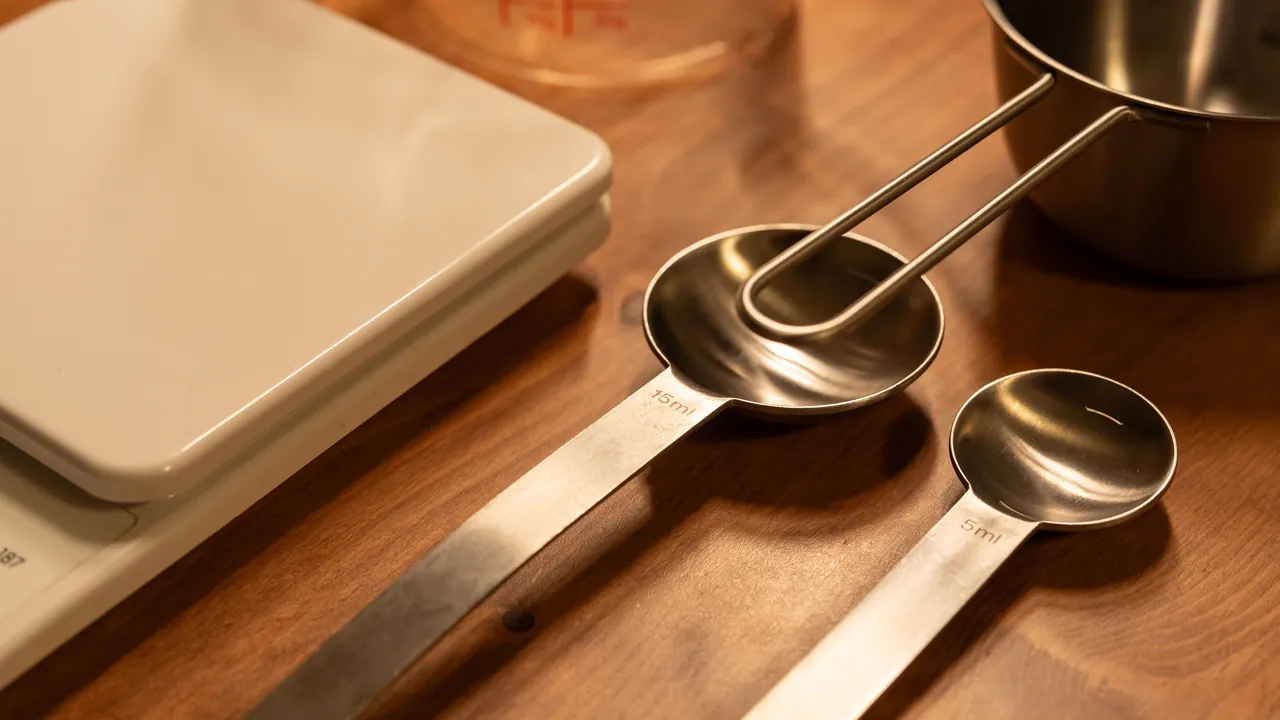
US cups and metric: converting recipe measurements both ways
Convert US cups, ounces, pounds and Fahrenheit to grams, millilitres and Celsius — and back. Same figures both ways; weighing helps before you cook.
Cooking
Nutrition facts in a recipe: calories and protein per 100 g
What calories, protein, carbohydrates and fat per 100 grams in a recipe tell you, and how to compare recipes without a personal diet.
Cooking
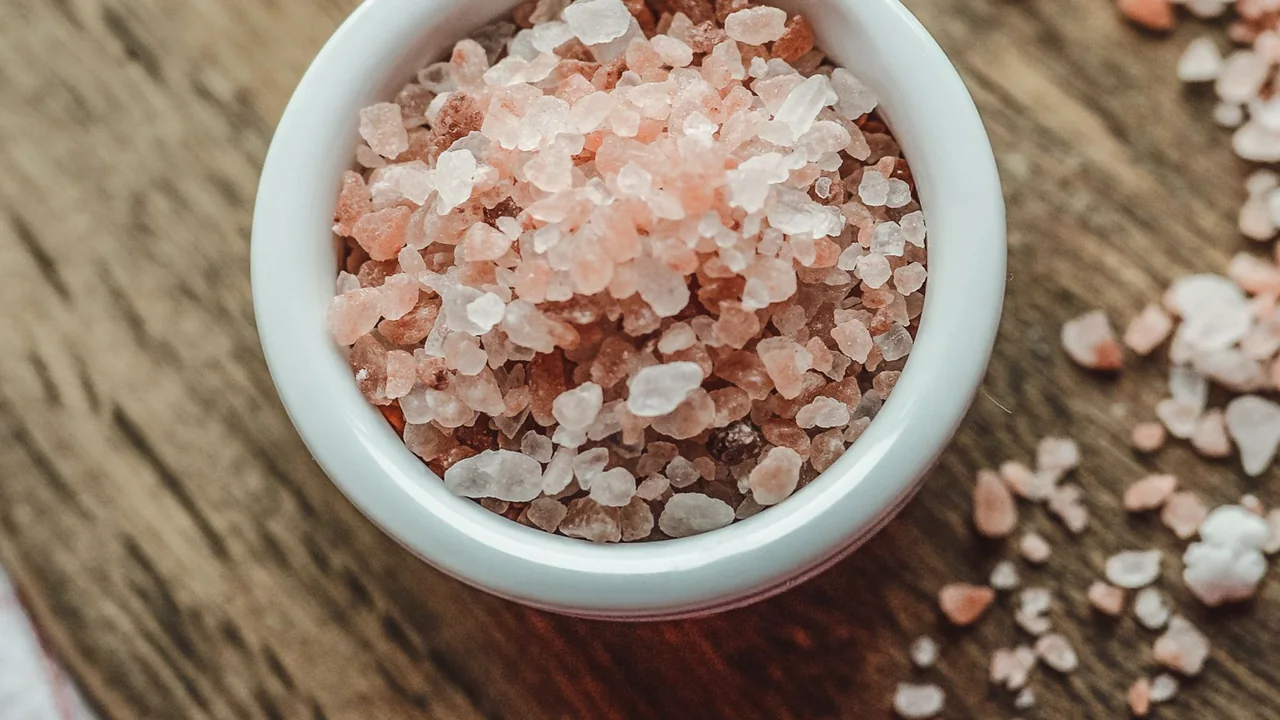
Salt in home cooking: recommended amounts and cutting back
How much salt the World Health Organization recommends, how to spot the red sodium symbol in the supermarket, and 6 kitchen habits for cooking with less salt.
Cooking
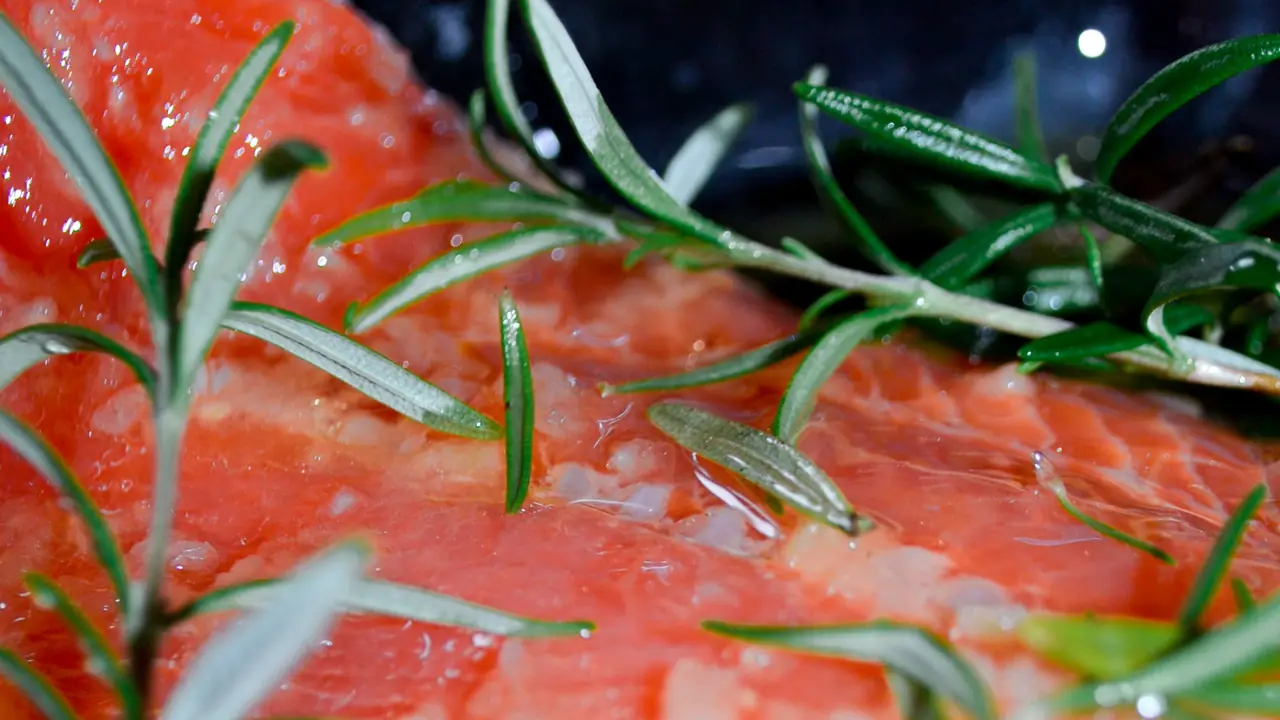
Hot-oil curing for fish: tender salmon without a frying pan
Hot-oil curing for salmon: short salt cure, rinse, then oil at a controlled temperature — no frying pan. Safety note for fish not fully cooked.
Cooking
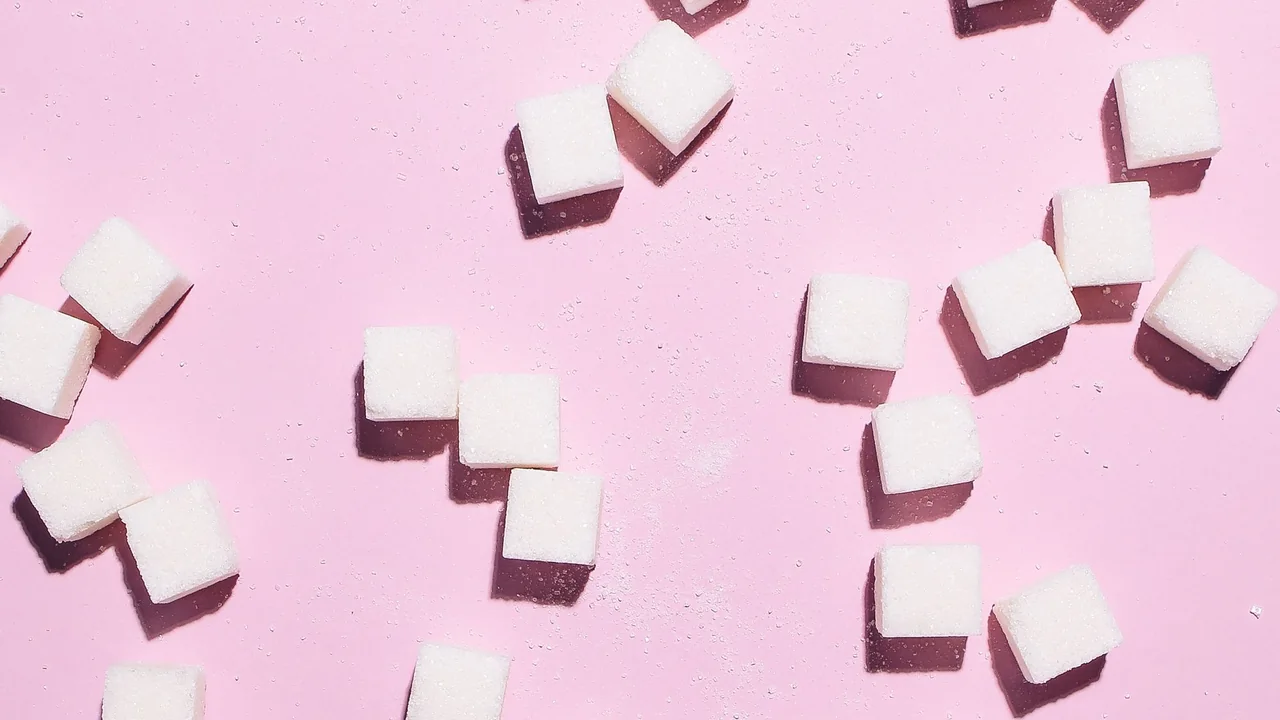
Free sugars: WHO daily limit and how to cut back at home
What free sugars are according to WHO, how much is recommended a day, where they hide (ketchup, drinks), and 6 simple ways to cut sugar in home cooking.
Cooking
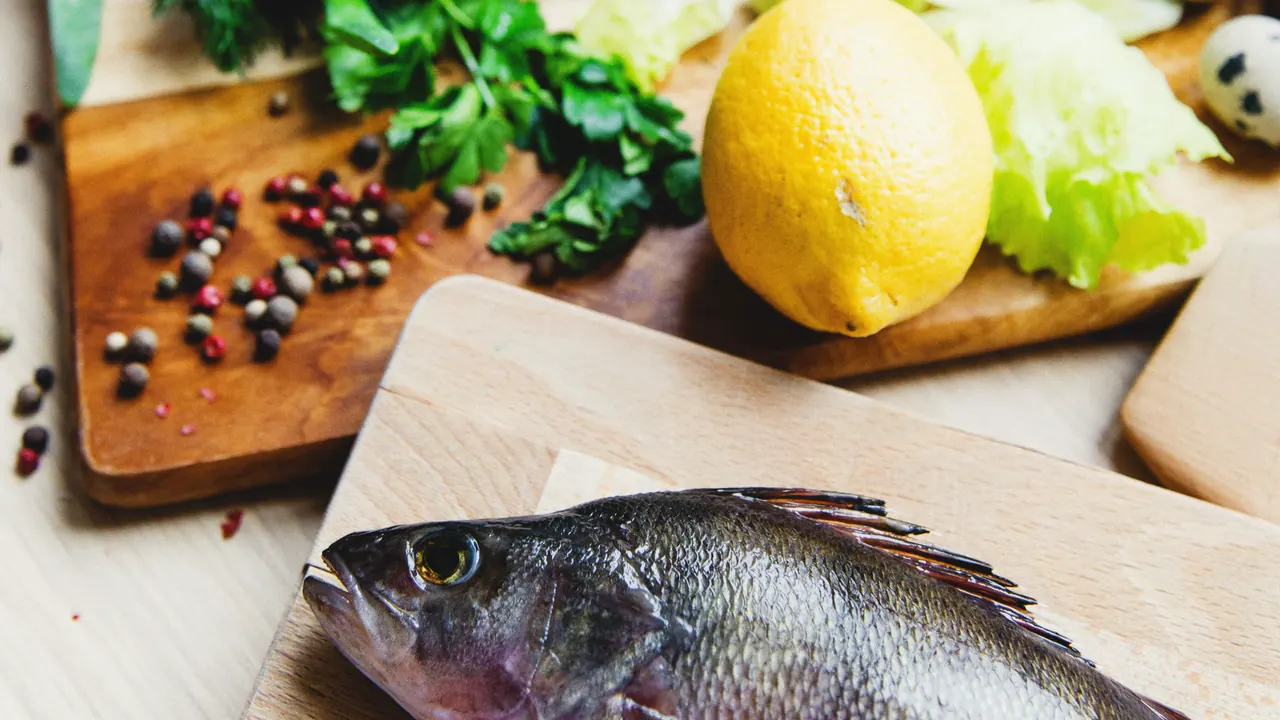
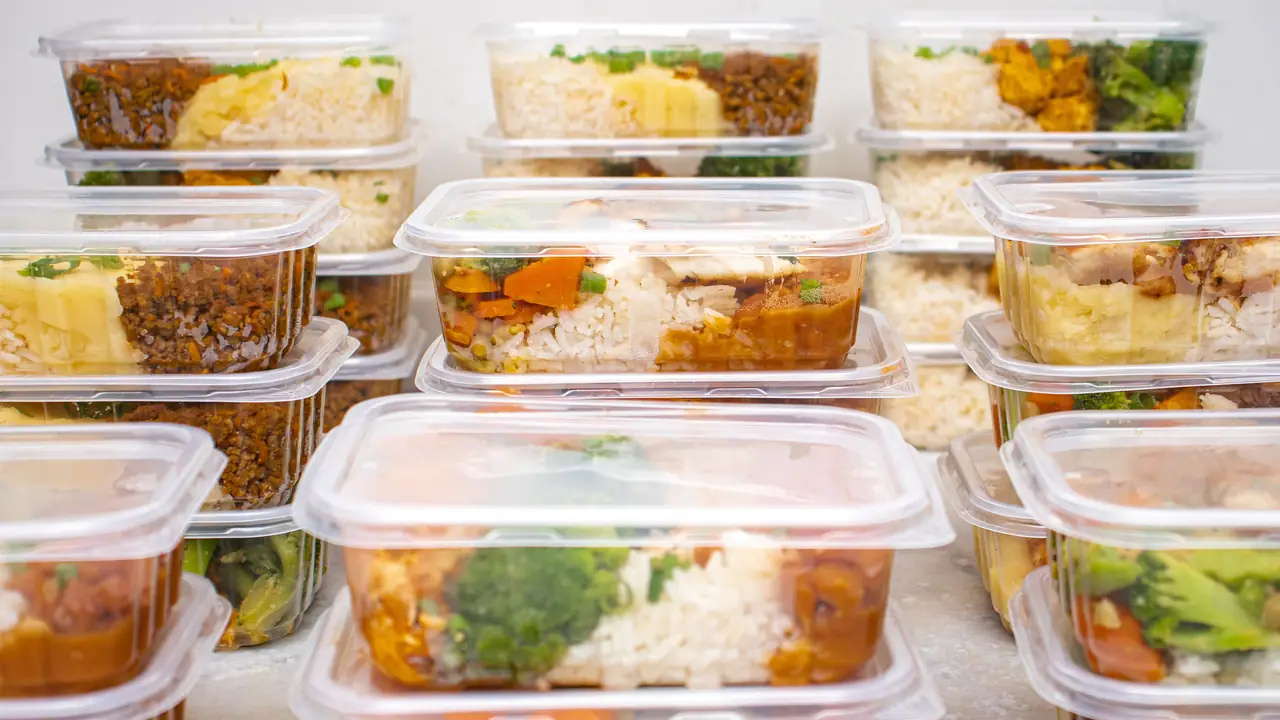
Cross-contamination in the kitchen: boards, marinade
Prevent kitchen cross-contamination with FDA clean/separate habits: handwashing, a raw-meat board, a clean serving plate, marinade only after boiling.
Cooking
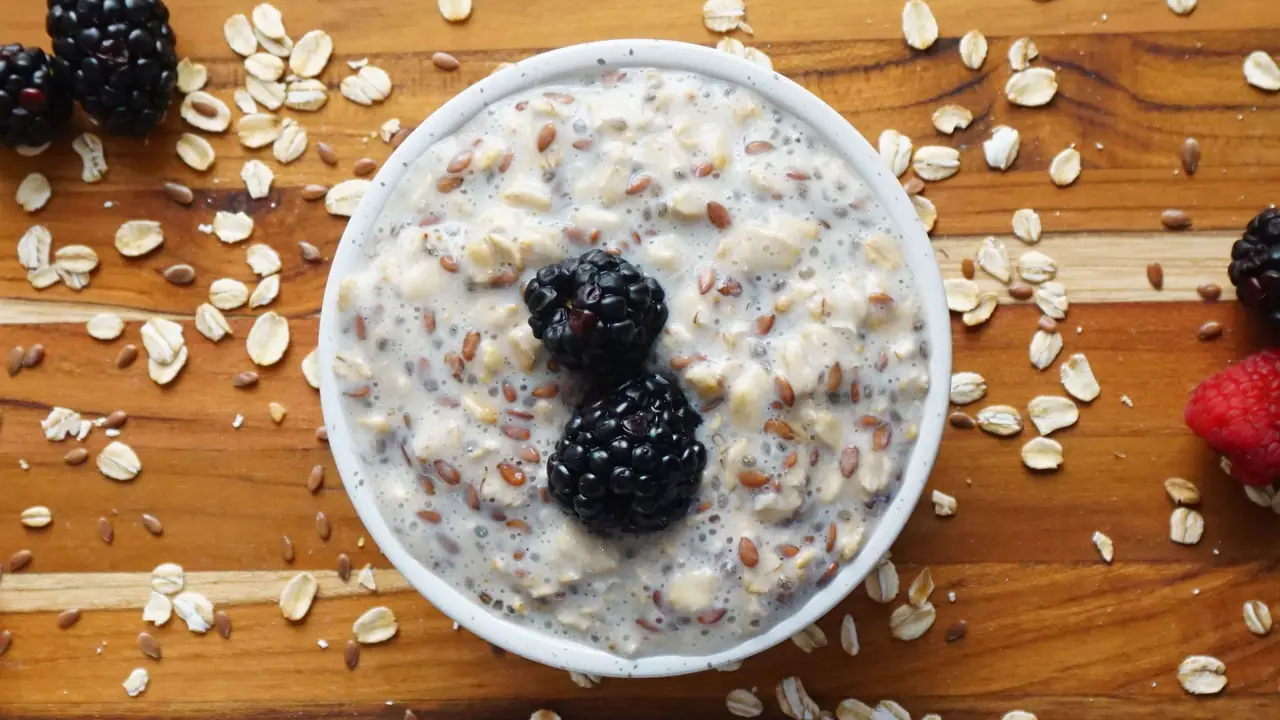
Leftovers in the fridge: how long to keep and how to reheat
Leftovers per USDA FSIS: the two-hour rule, how many days cooked food keeps in fridge and freezer, safe thawing, and the reheating temperature.
Cooking
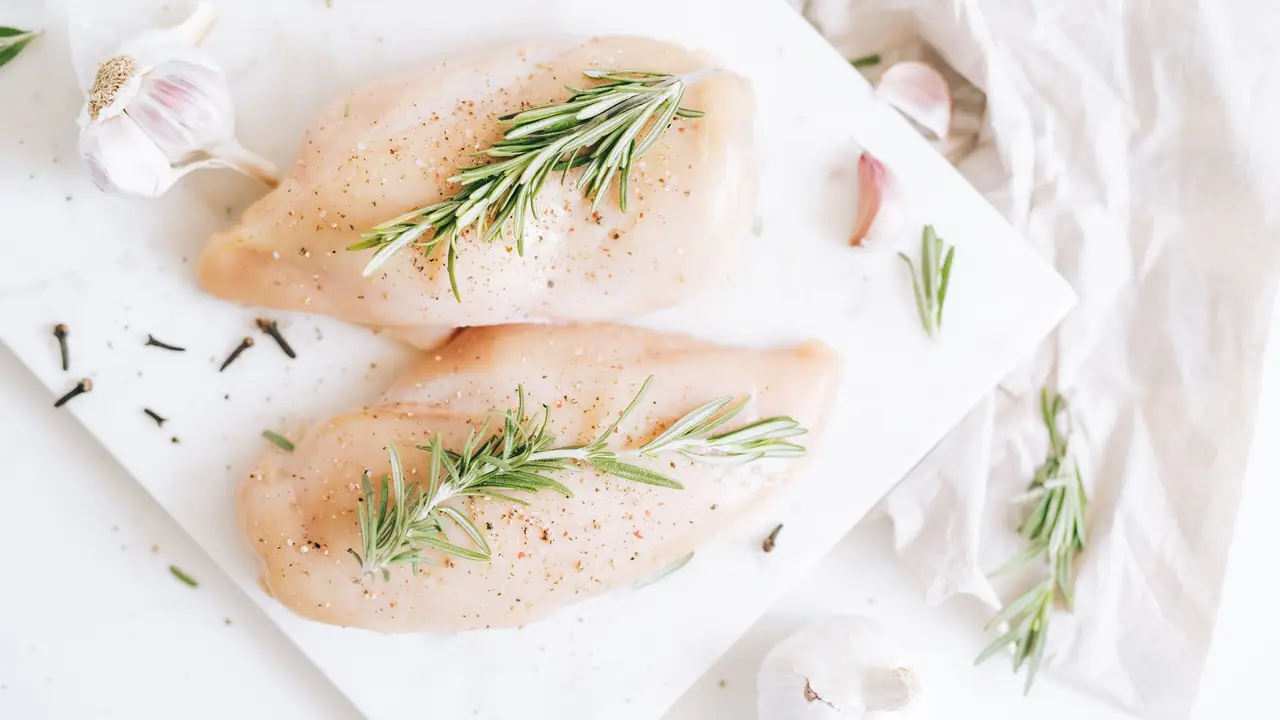
Dietary fibre: how much a day and easy ways to add more
How much dietary fibre WHO recommends, soluble vs insoluble fibre, and six simple ways to add more fibre to everyday home meals.
Cooking
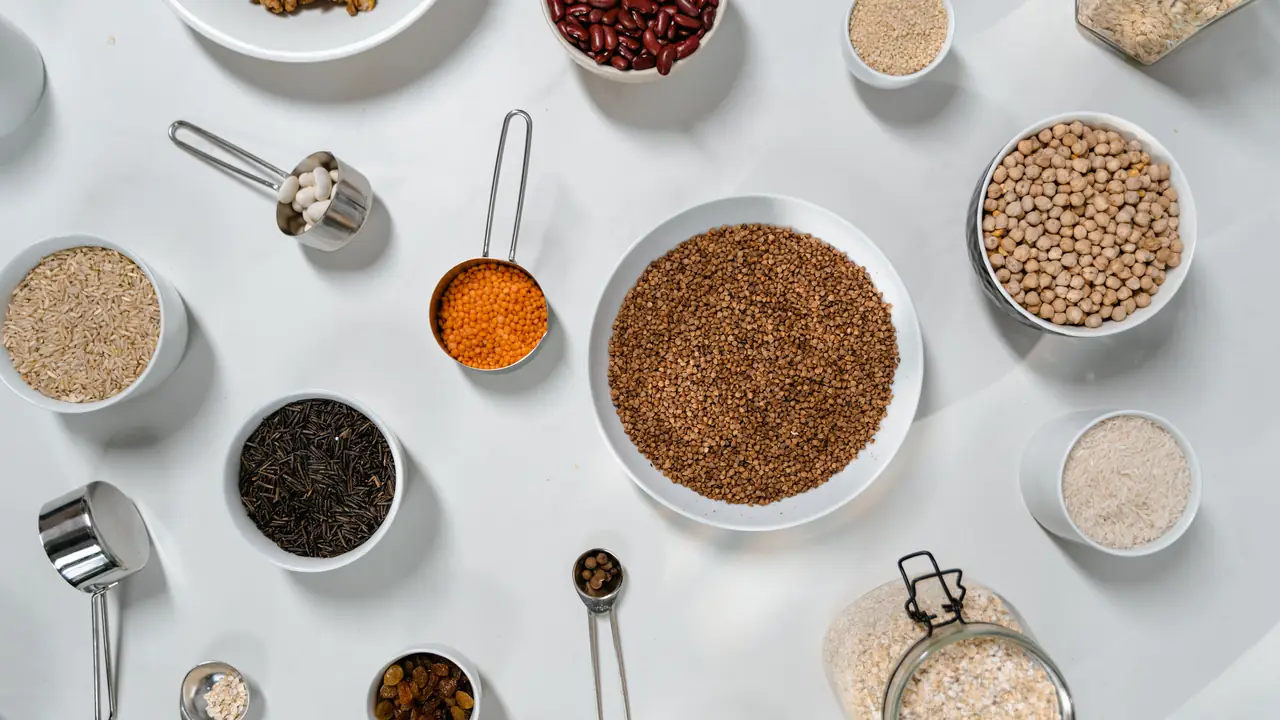
How to thaw meat and chicken safely: three proven methods
Thaw meat, chicken and fish safely per USDA FSIS: fridge, cold water or microwave — how long each takes, and when you may cook from frozen.
Cooking
Legumes in the home kitchen: protein, fibre, menu ideas
Legumes vs beans, what is in lentils and chickpeas, weekly amounts from nutrition sources, how to reduce gas, and five home cooking ideas.
Cooking
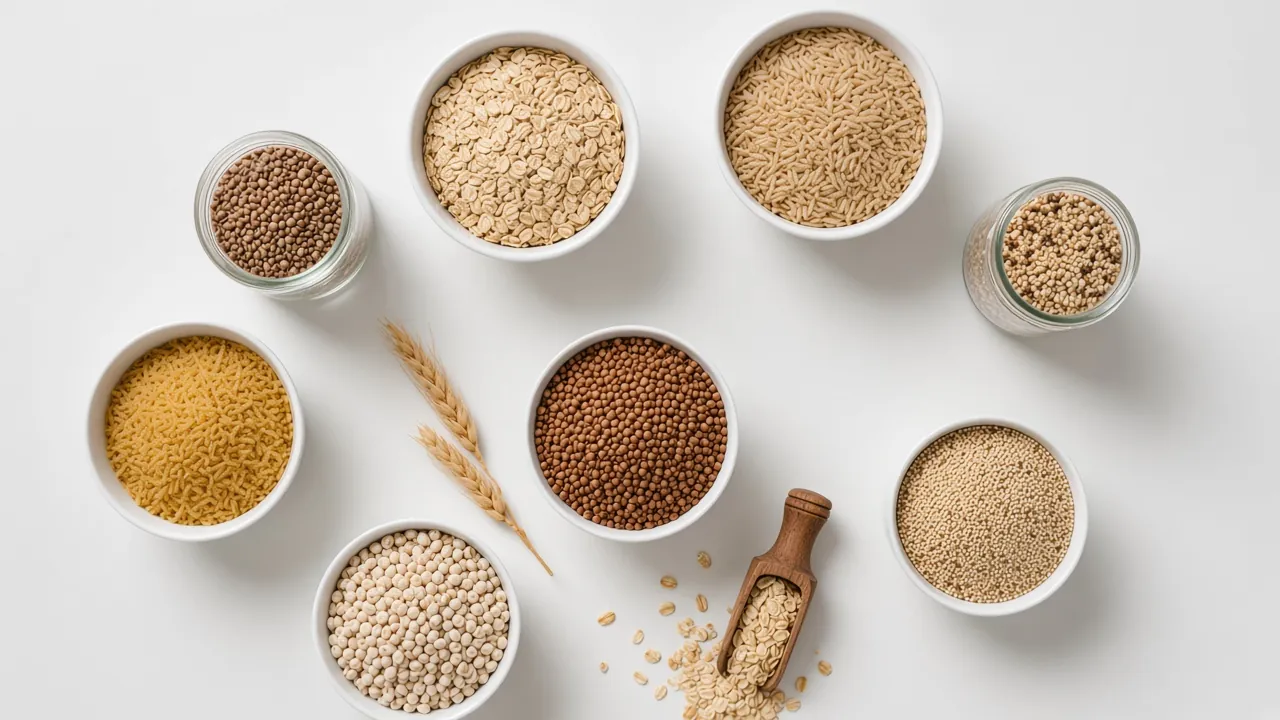
Whole Grains vs. Refined Grains: How to Tell Them Apart
What's in a whole grain, what refining removes, how to read labels and the carb-to-fiber ratio, plus 6 easy ways to eat more whole grains.
Cooking
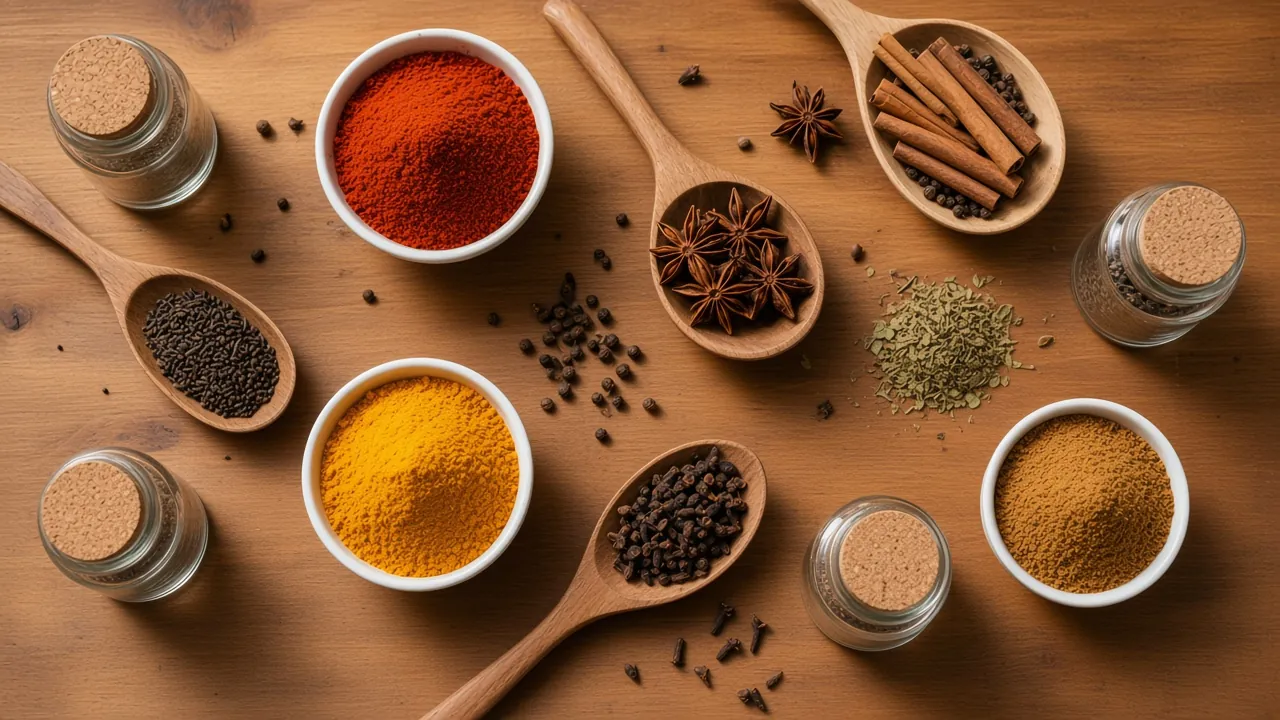
How Long Do Spices Last? Storage Tips and When to Replace
Dried spices don't spoil, but they lose flavor. How long whole and ground spices and dried herbs keep, where to store them and how to tell they're still good.
Cooking
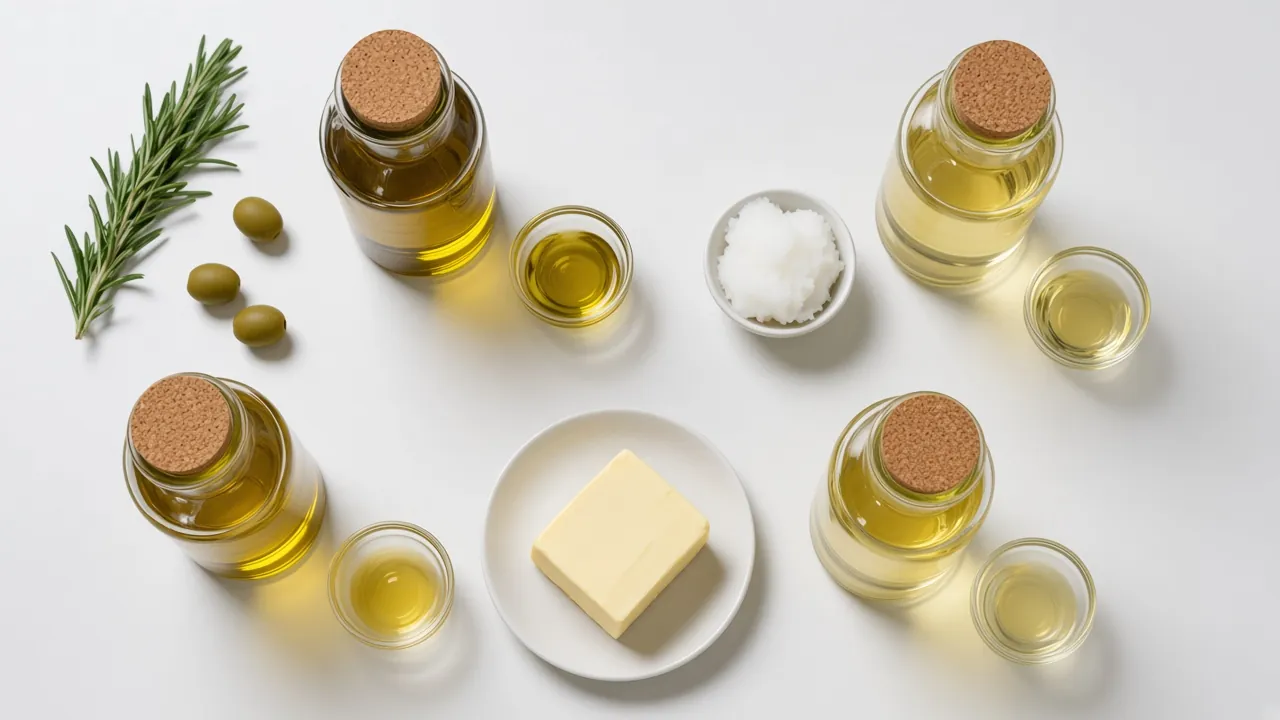
Which oil should you cook with? A simple kitchen fats guide
Olive, canola, sunflower, coconut or butter? The difference between monounsaturated, polyunsaturated, saturated and trans fats, and which oil to use when.
Cooking
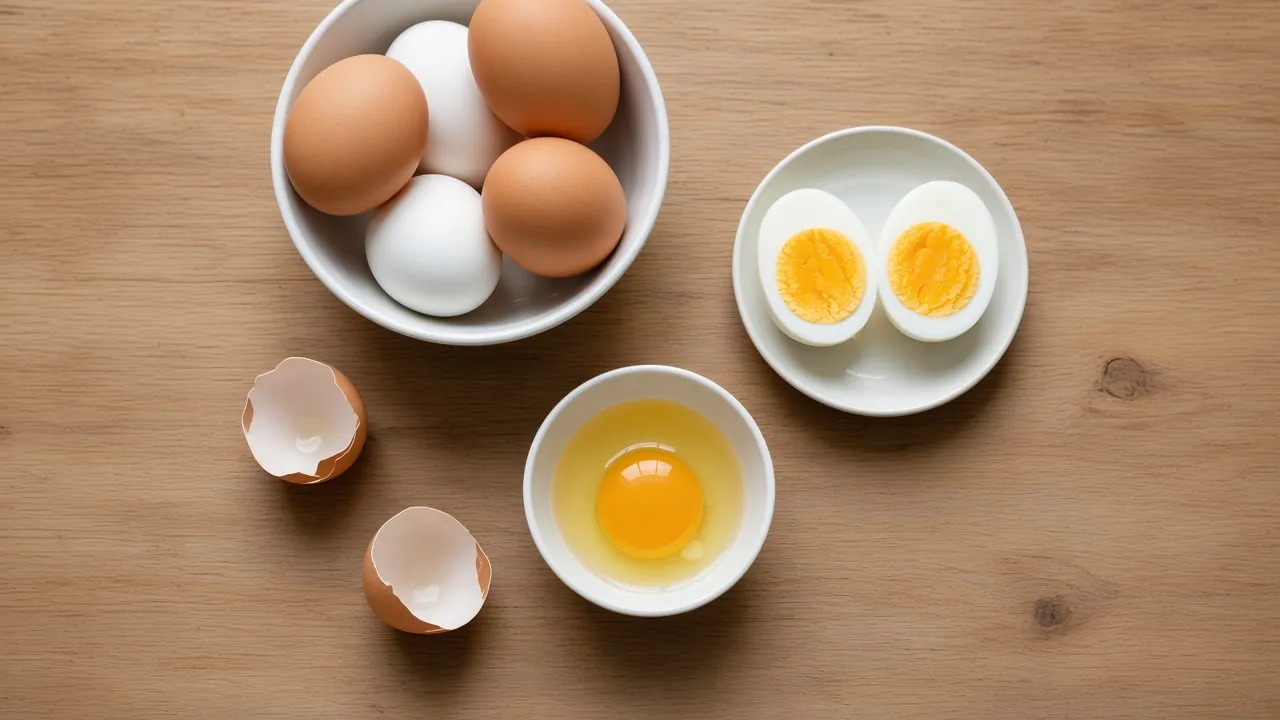
Eggs in the Kitchen: How to Buy, Store and Cook Them Safely
How long eggs keep in the fridge, whether you can freeze them, when an egg is cooked, and what to do with raw-egg recipes. Simple FDA-based rules.
Cooking
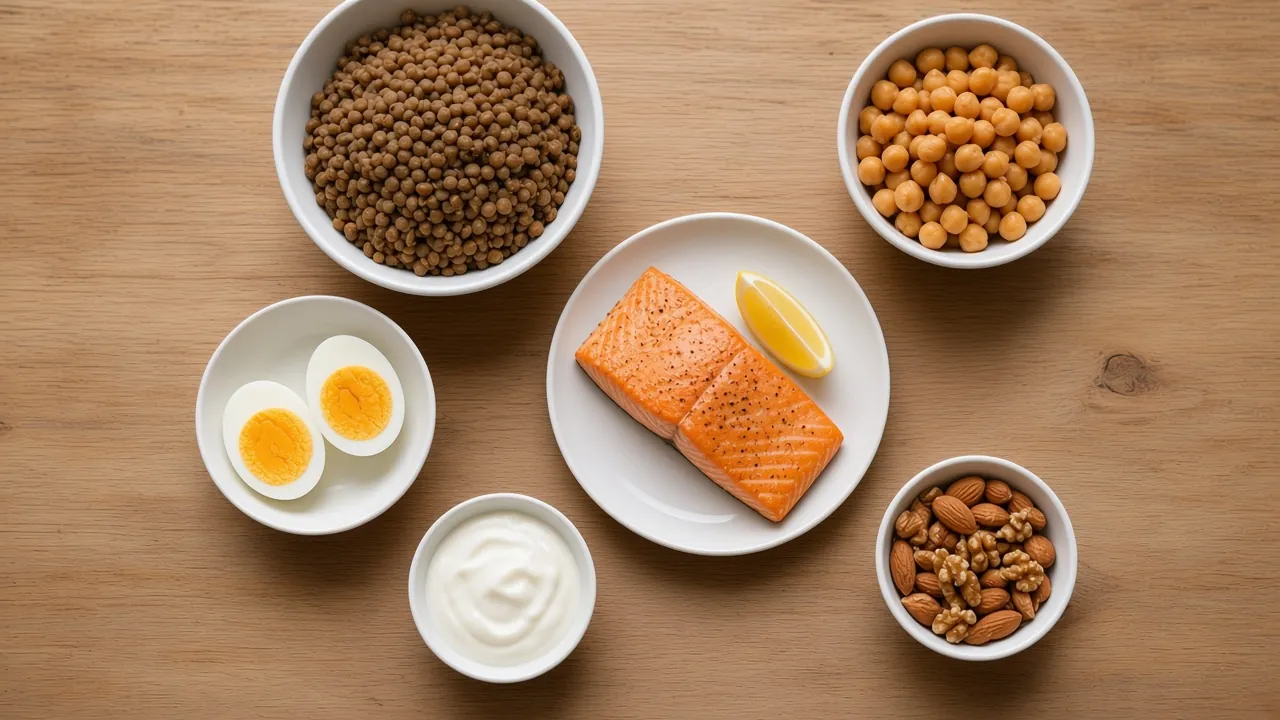
Protein in everyday cooking: plant and animal sources guide
What protein is, roughly how much you need, how plant and animal sources differ, and easy ways to add protein to everyday meals. General info from Harvard.
Cooking
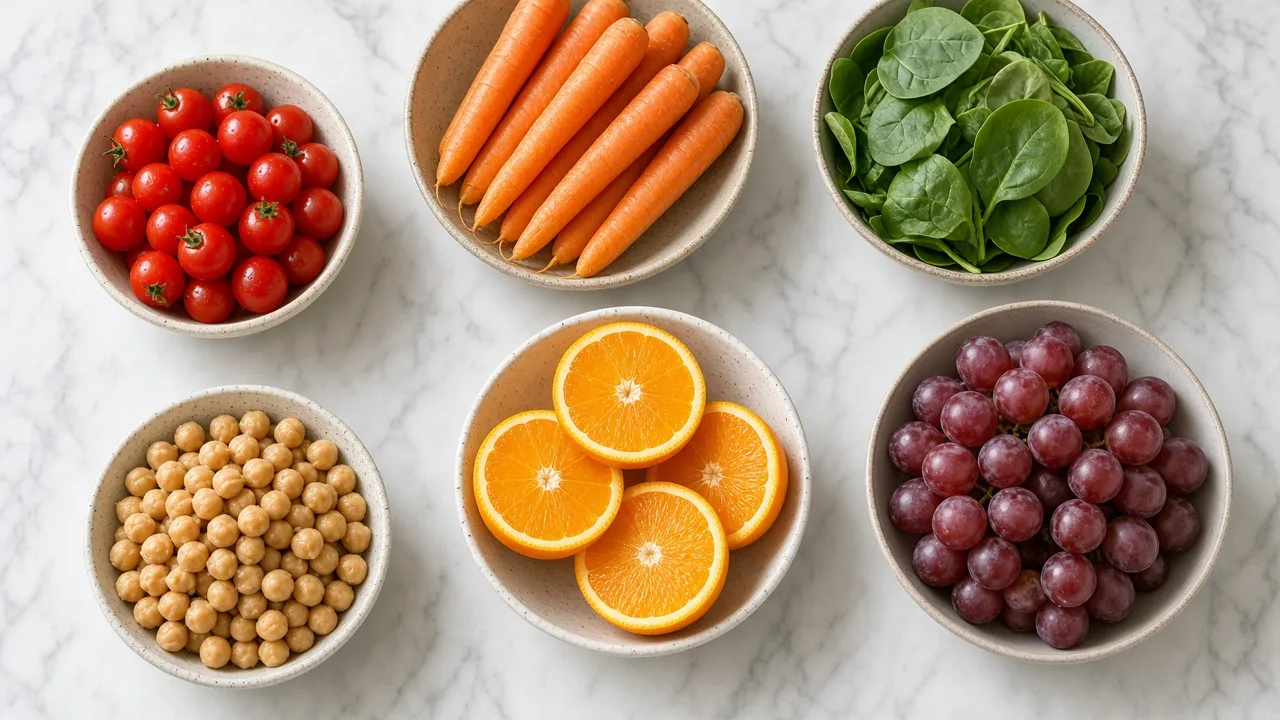
Vegetables and Fruits Every Day: How Much, Colors, Washing
How many vegetables and fruits to aim for daily, why color and variety matter, frozen, canned and juice, and how to wash and store produce safely.
Cooking
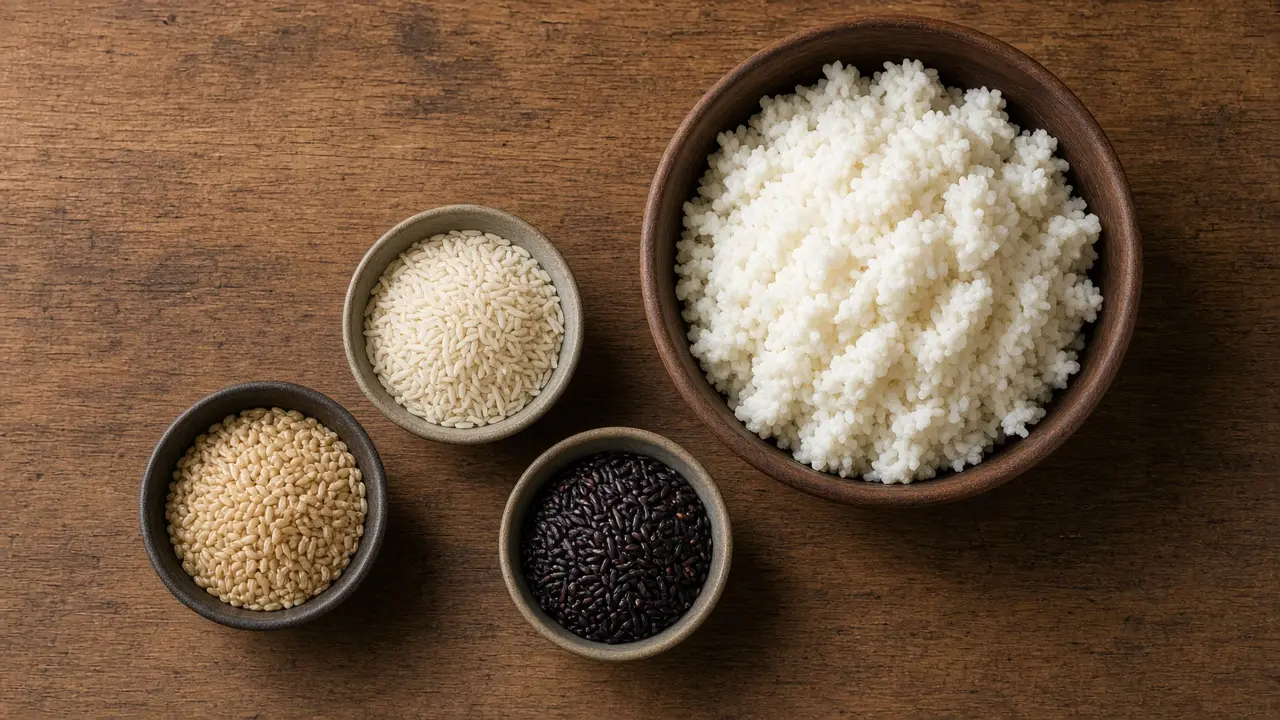
Rice in Your Kitchen: Types, Cooking and Safe Storage
A home guide to rice: long, medium or short grain, brown or white, how to rinse and cook it, arsenic, and why cooked rice must be cooled quickly.
Cooking
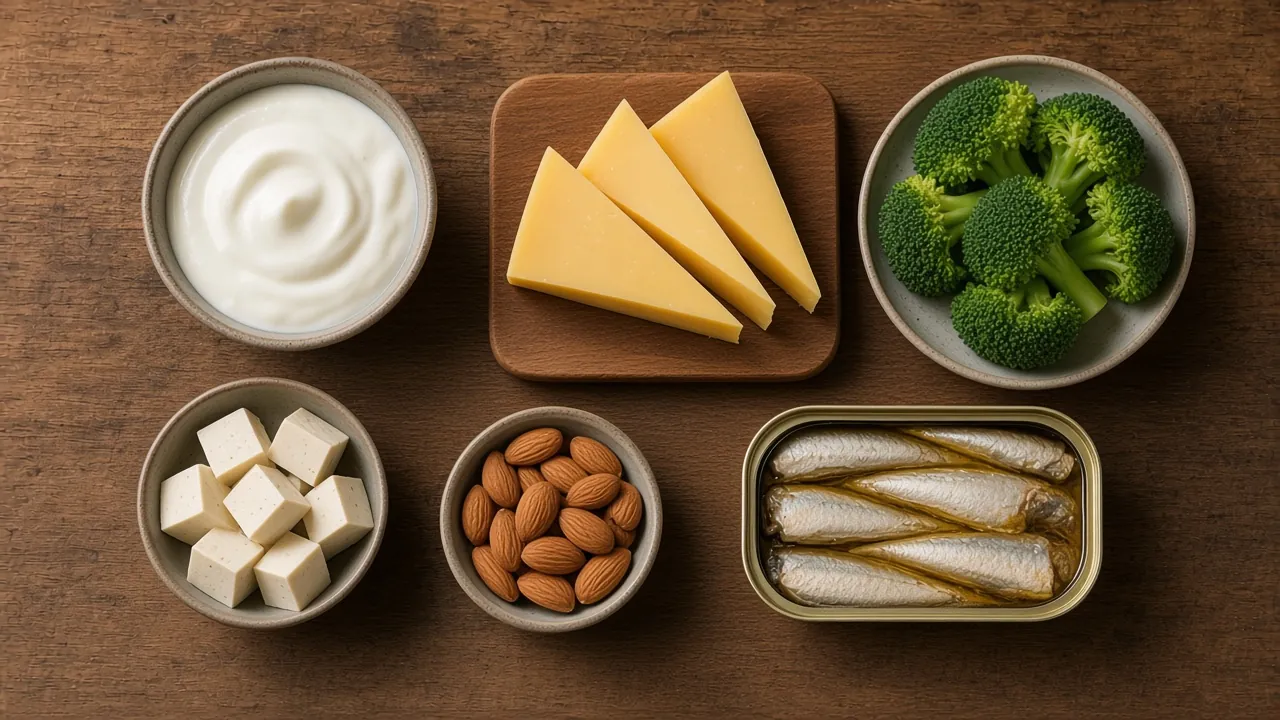
Calcium in Your Daily Menu: How Much and Where to Find It
Calcium in the kitchen: amounts by age, dairy and plant sources, why spinach isn't the best source, and adding calcium to meals without dairy.
Cooking
Iron in Your Daily Menu: How Much You Need and Best Sources
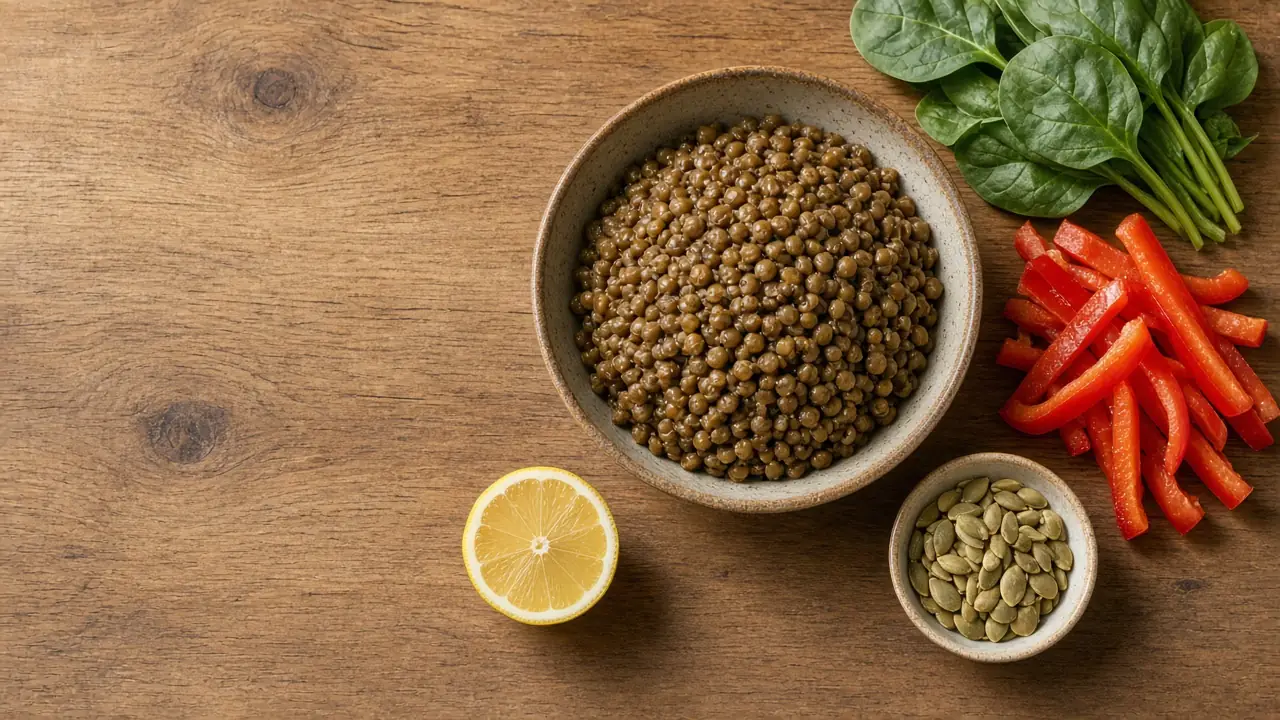
Iron in the kitchen: amounts by age and sex, heme vs non-heme iron, what helps and hinders absorption, and building a vegetarian menu with iron.
Cooking
Freezing Food at Home: What Freezes Well, How Long It Keeps
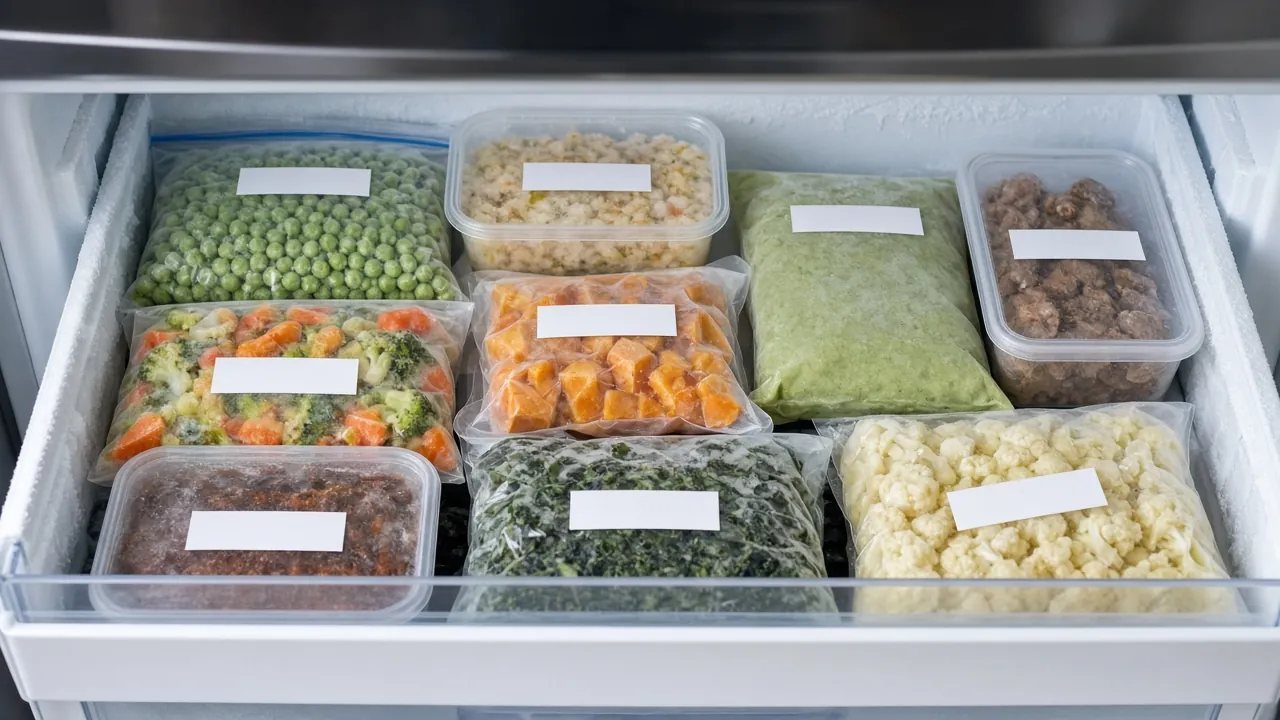
A practical guide to home freezing: why -18°C, what freezes well, blanching vegetables, packing against freezer burn, labels and safe thawing.
Cooking
Vitamin C in the Kitchen: Needs, Foods and Cooking Losses
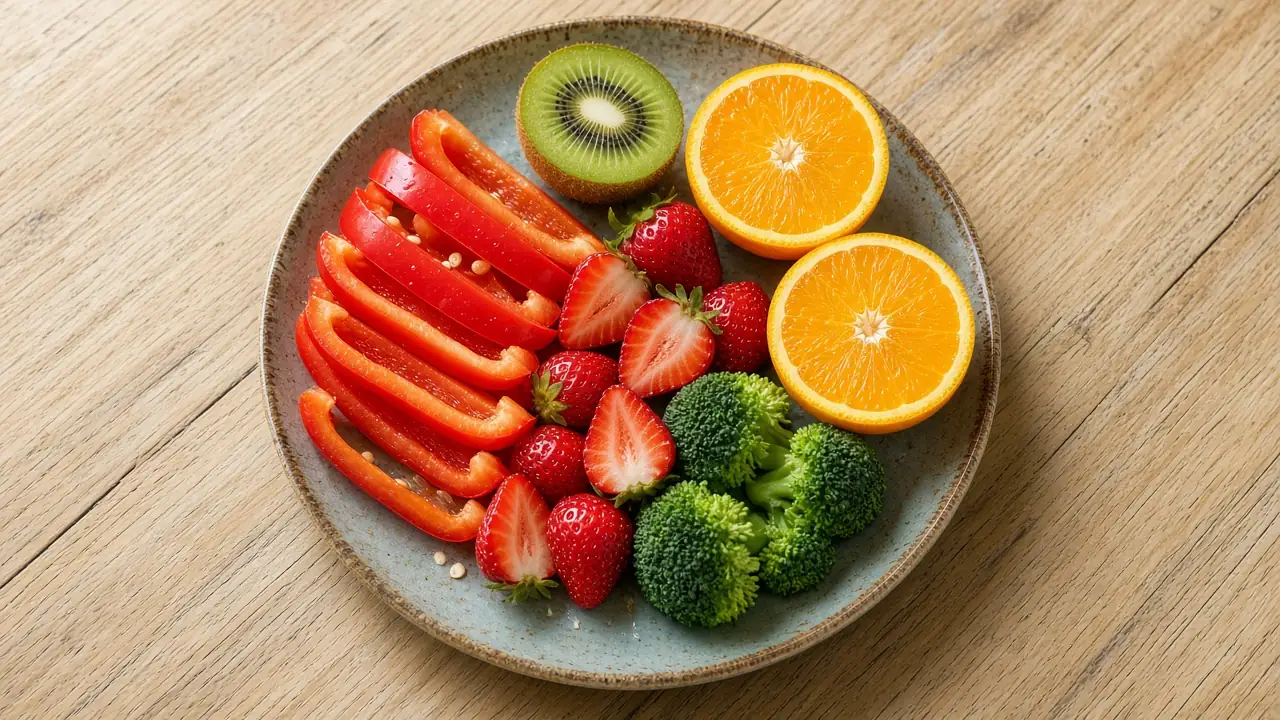
Vitamin C in the kitchen: amounts by age, fruit and vegetable sources, how cooking affects it, and colds research. General information only.
Cooking
Fridge Organization for Food Safety: Where Raw Meat Goes
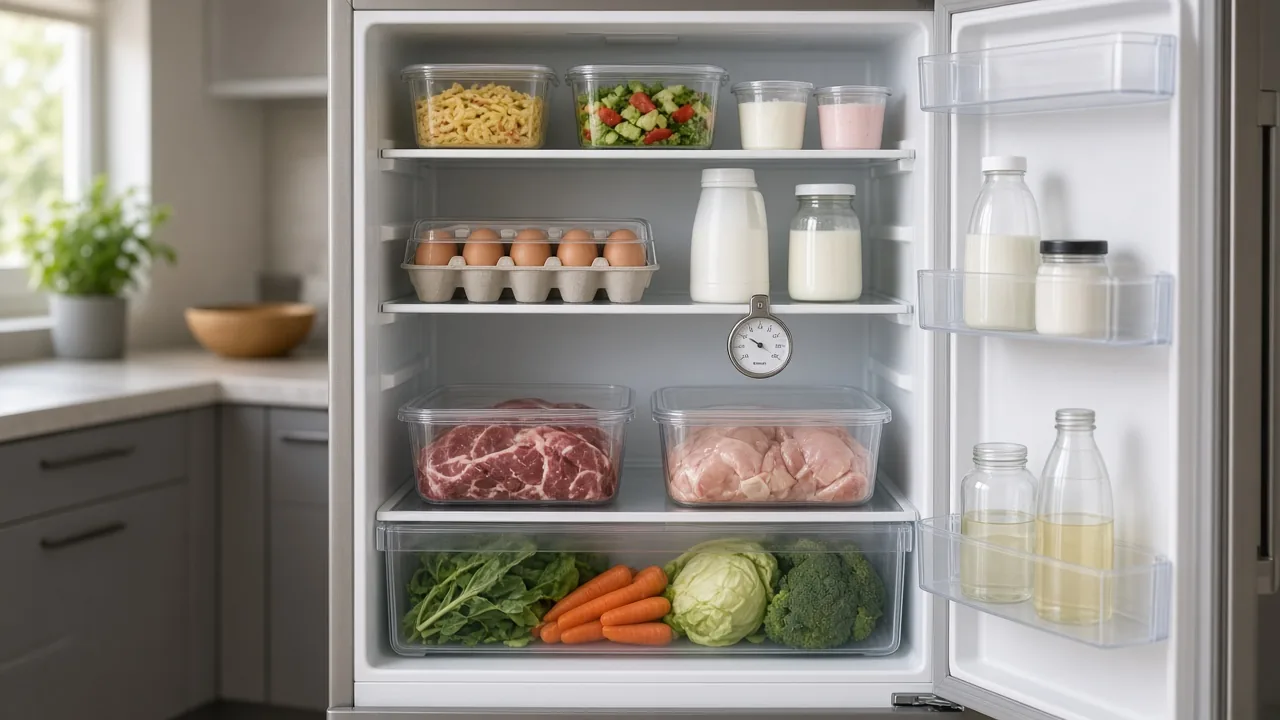
How to organize a fridge for food safety: 4°C or below, raw meat and eggs placement, the two-hour rule, leftovers and outages — FDA tips.
Cooking
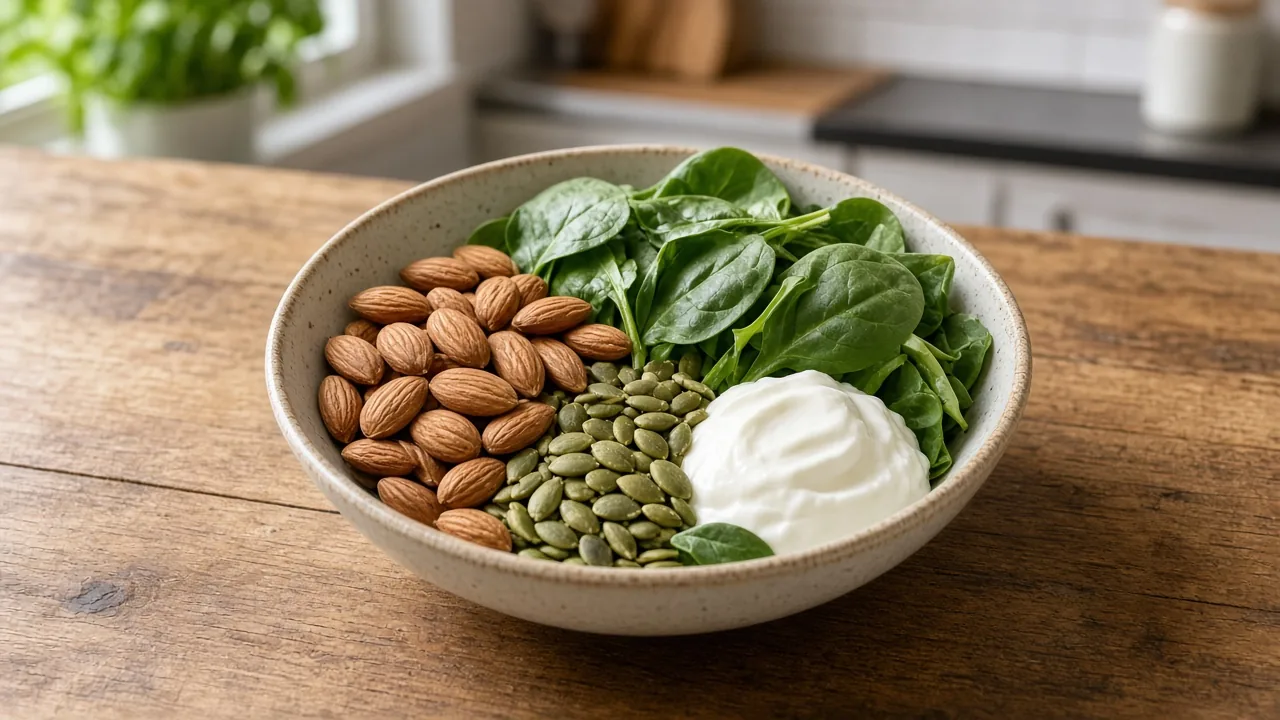
Magnesium in the Kitchen: Daily Needs and Food Sources
A kitchen guide to magnesium: daily amounts by age, food sources in nuts and greens, supplement limits and interactions. Not medical advice.
Cooking
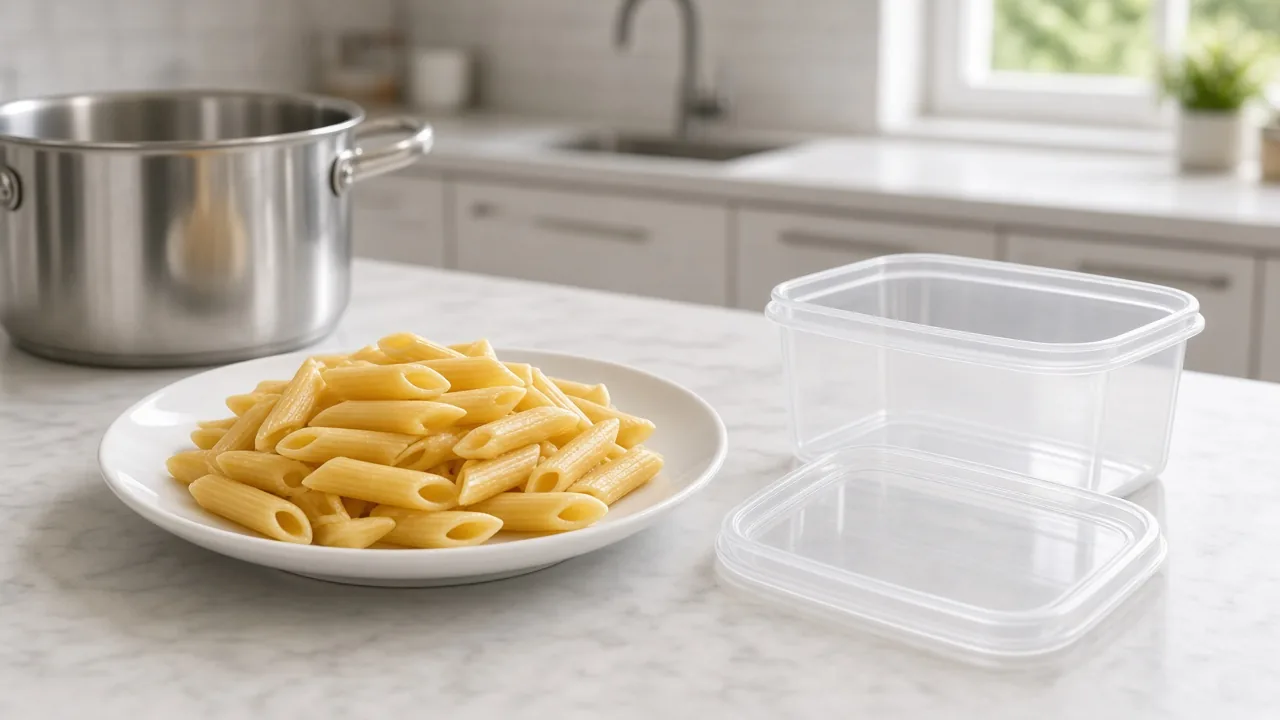
Pasta at Home: How to Cook It and Store Leftovers Safely
A practical home pasta guide: shape vs sauce, boiling water and salt, and USDA leftover rules — plus why cooked pasta should not sit out.
Cooking
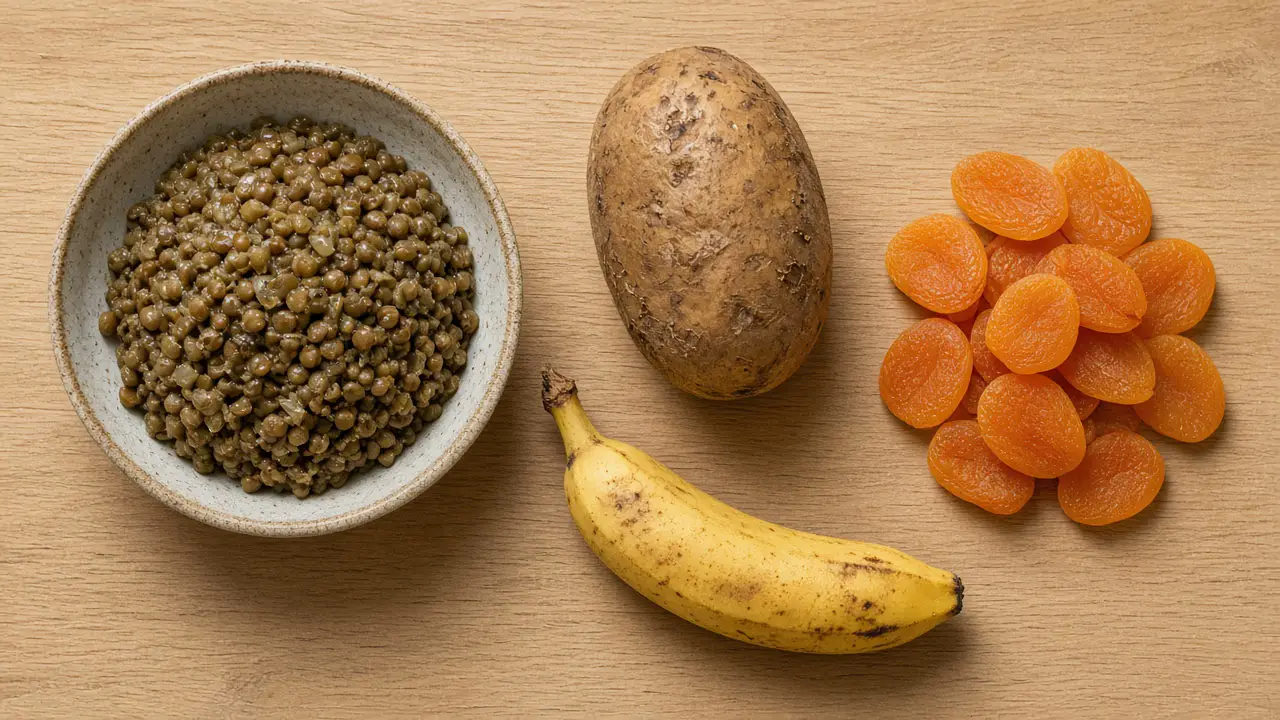
Potassium in the Kitchen: Needs, Food Sources and Cautions
A general potassium guide: daily amounts by age, why lentils and potatoes beat the banana, salt substitutes, and who needs caution. Not medical advice.
Cooking
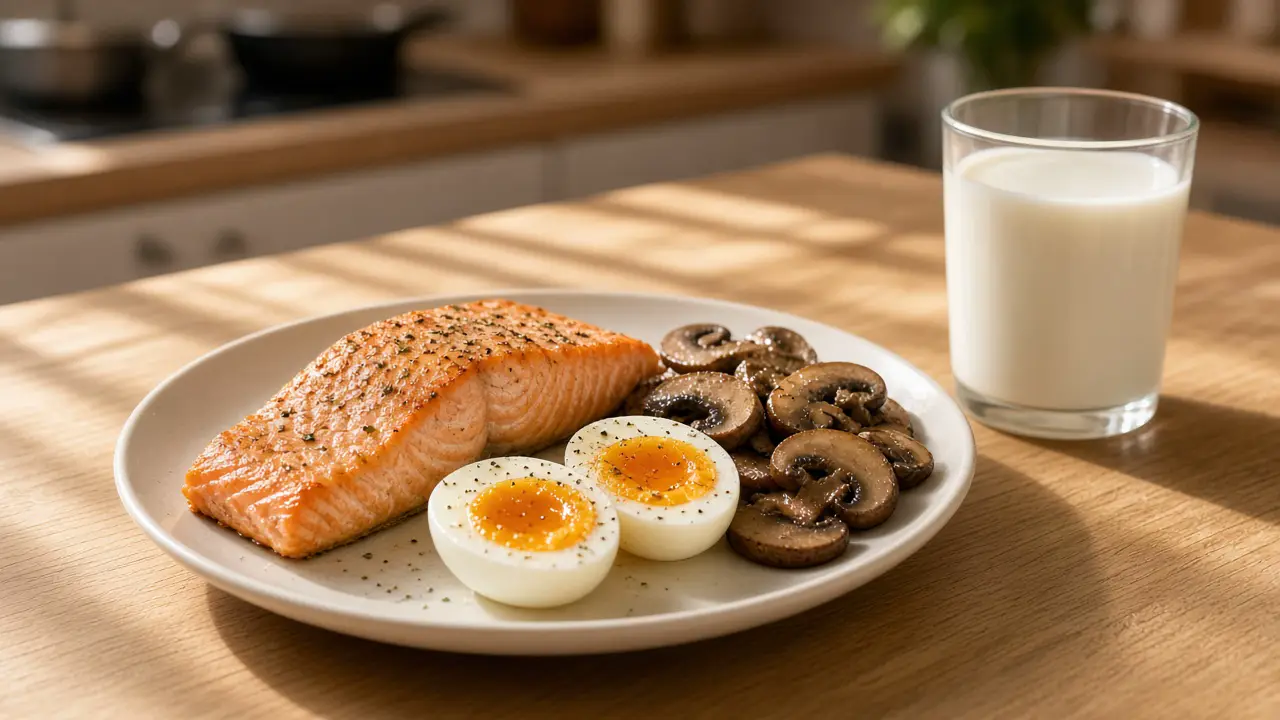
Vitamin D in the Kitchen: Needs, Foods and the Sun
A general vitamin D guide: daily amounts by age, why food alone rarely covers it, fish, eggs and UV mushrooms, sun through a window, and when too much harms.
Cooking
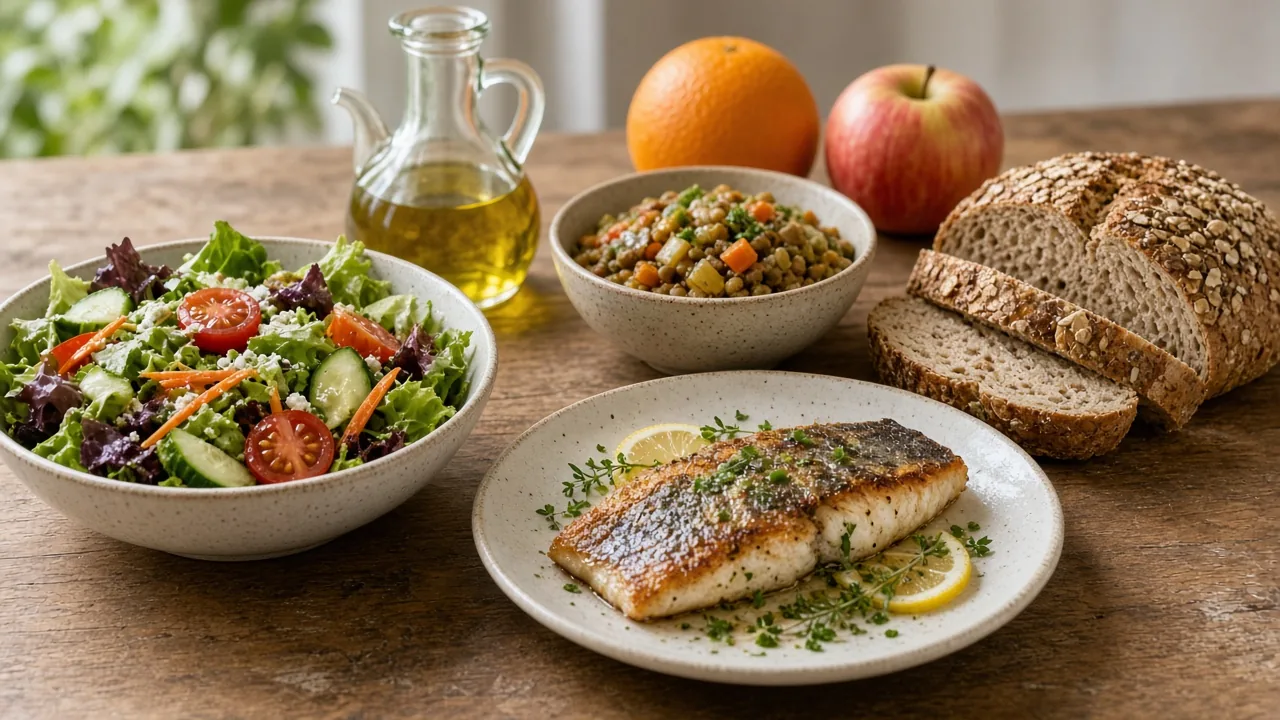
Food and Mood: What the Research Actually Says
What research says about everyday food and mood: the Mediterranean pattern, blood sugar, regular meals, the gut, and what is not proven. Not medical advice.
Cooking
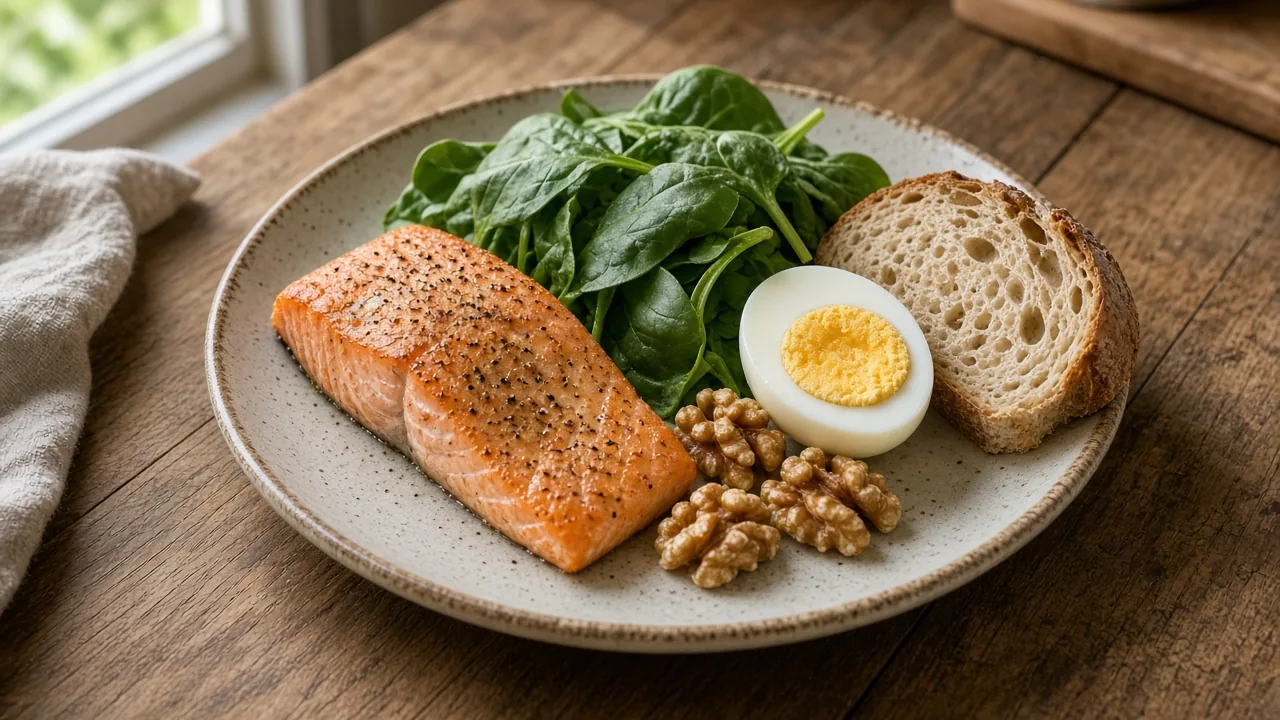
Omega-3, Vitamin D, B12 and Folate: What's on the Plate
Food sources of omega-3, vitamin D, B12, folate, who may get too little, what is known about mood with caution, and when excess can harm. Not medical advice.
Cooking
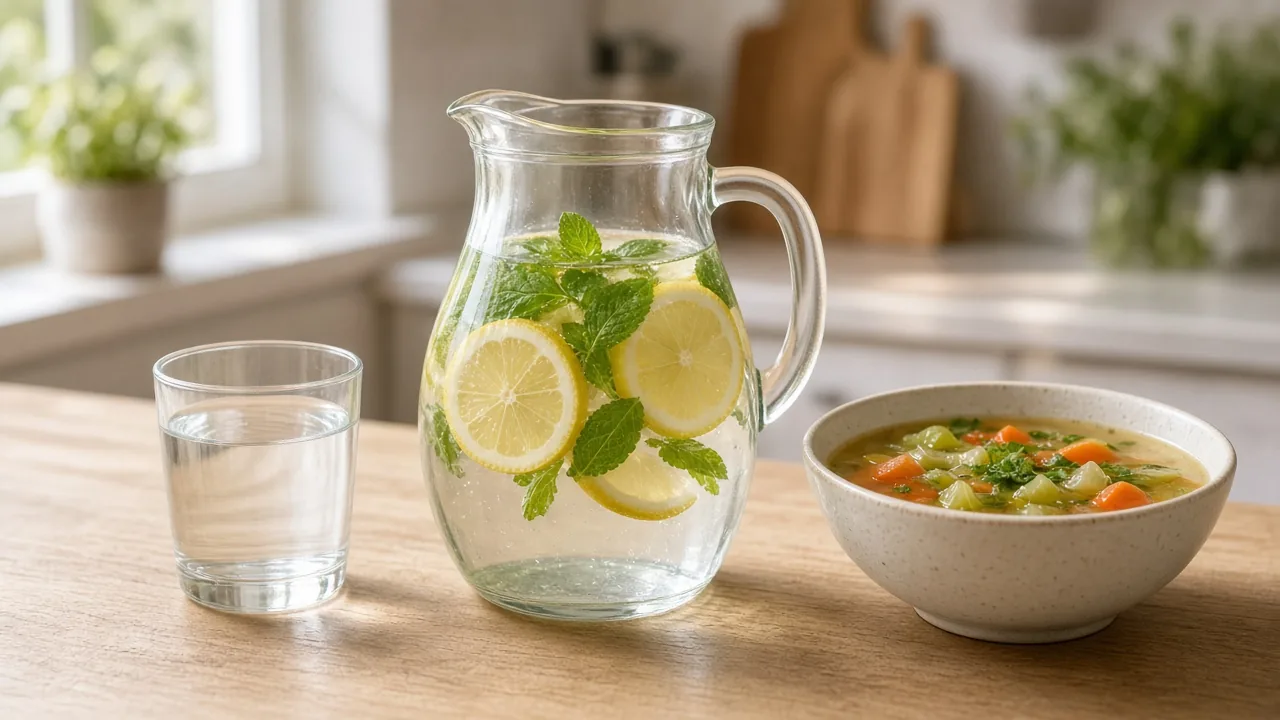
Water and Everyday Drinking: How Much, and What Counts
How much water EFSA and NASEM consider adequate, what counts (including food), dehydration signs and sugary drinks versus water. Not medical advice.
Cooking
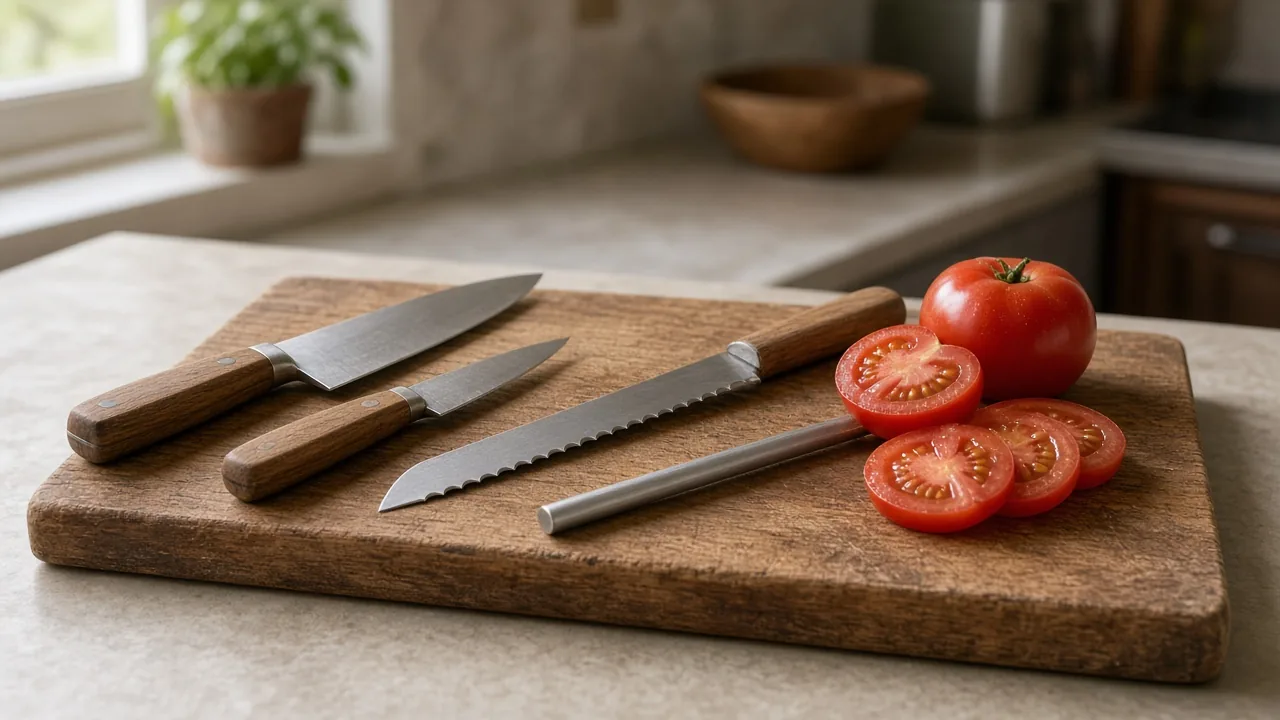
Kitchen Knives: The Three You Need — Sharpening and Storage
Which three knives cover most home cooking, honing versus sharpening, how to wash and store them, which board to choose, and how to cut safely.
Cooking
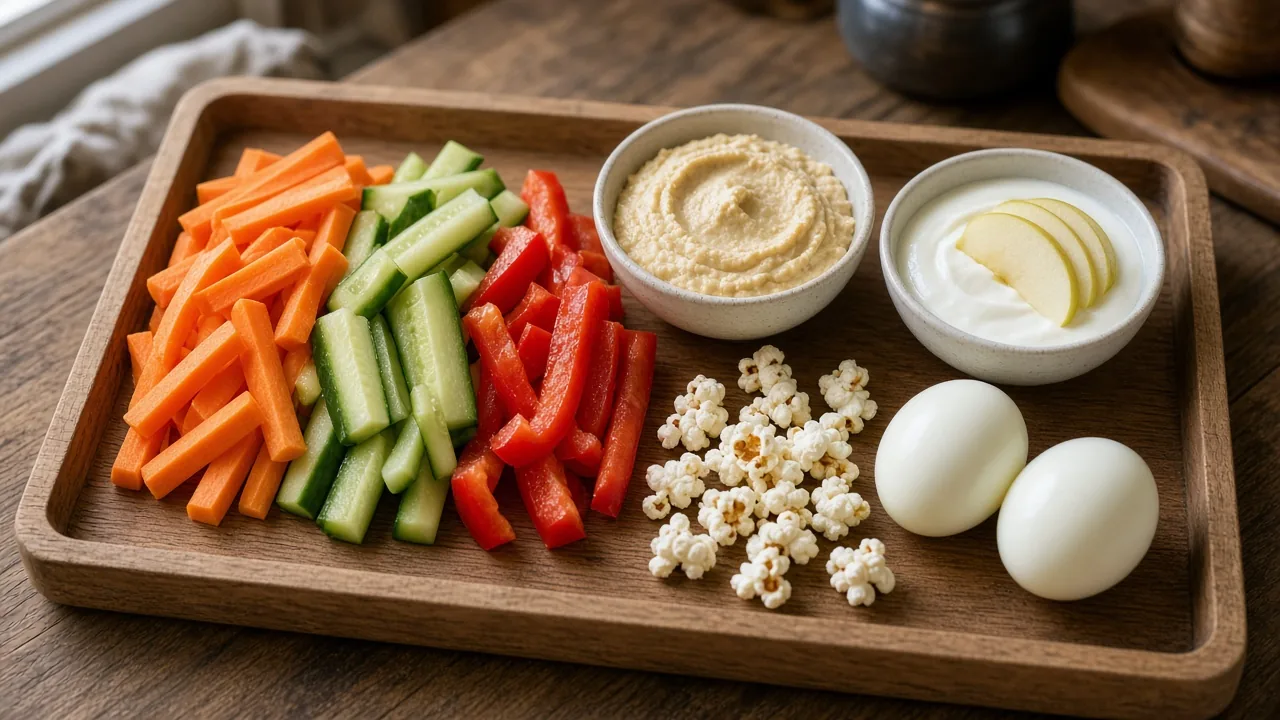
Nutritious Snacks at Home: Ideas, Label Reading and Portions
How to choose nutritious snacks at home: fridge ideas, simple swaps, Israel's red symbol, dried fruit, nuts and kids. General information, not medical advice.
Cooking
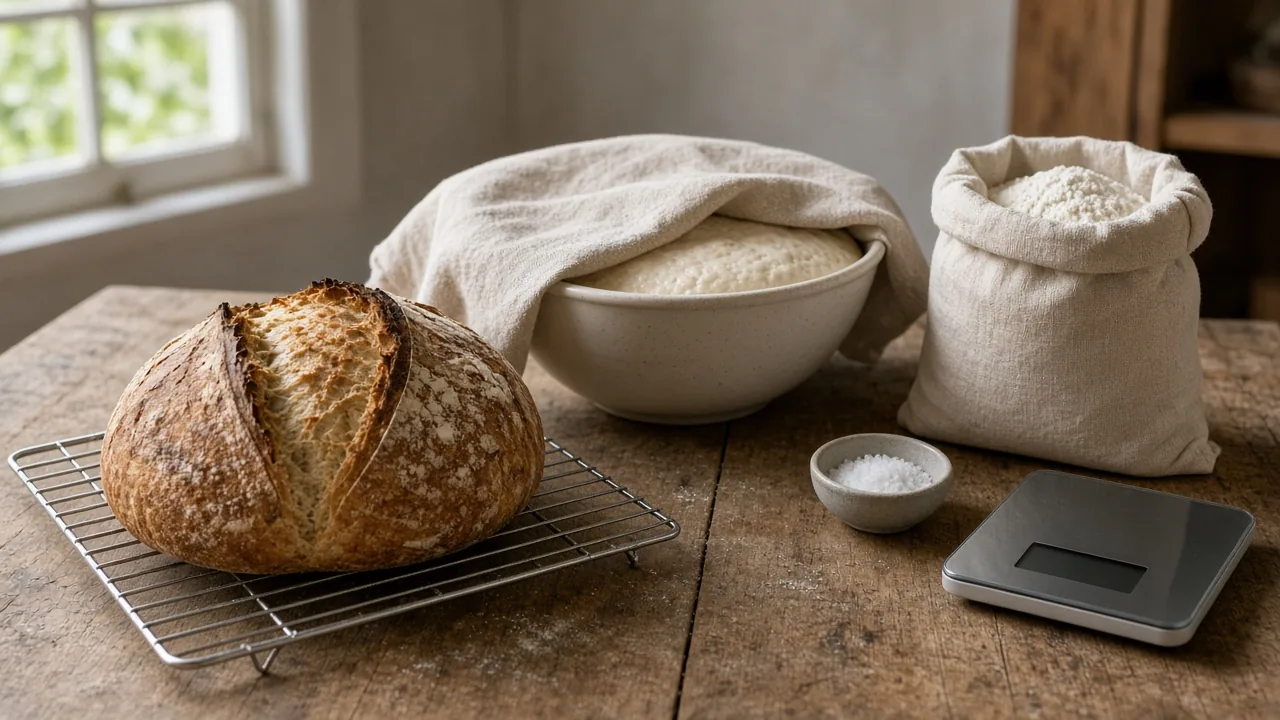
Beginner Homemade Bread: Yeast, Kneading, Rising, Baking
A guide to a first homemade loaf: four ingredients, baker's ratios, which yeast, how to know kneading and rising are done, when it's baked, and how to store it.
KitchenAppes
Download the app