Eggs in the Kitchen: How to Buy, Store and Cook Them Safely
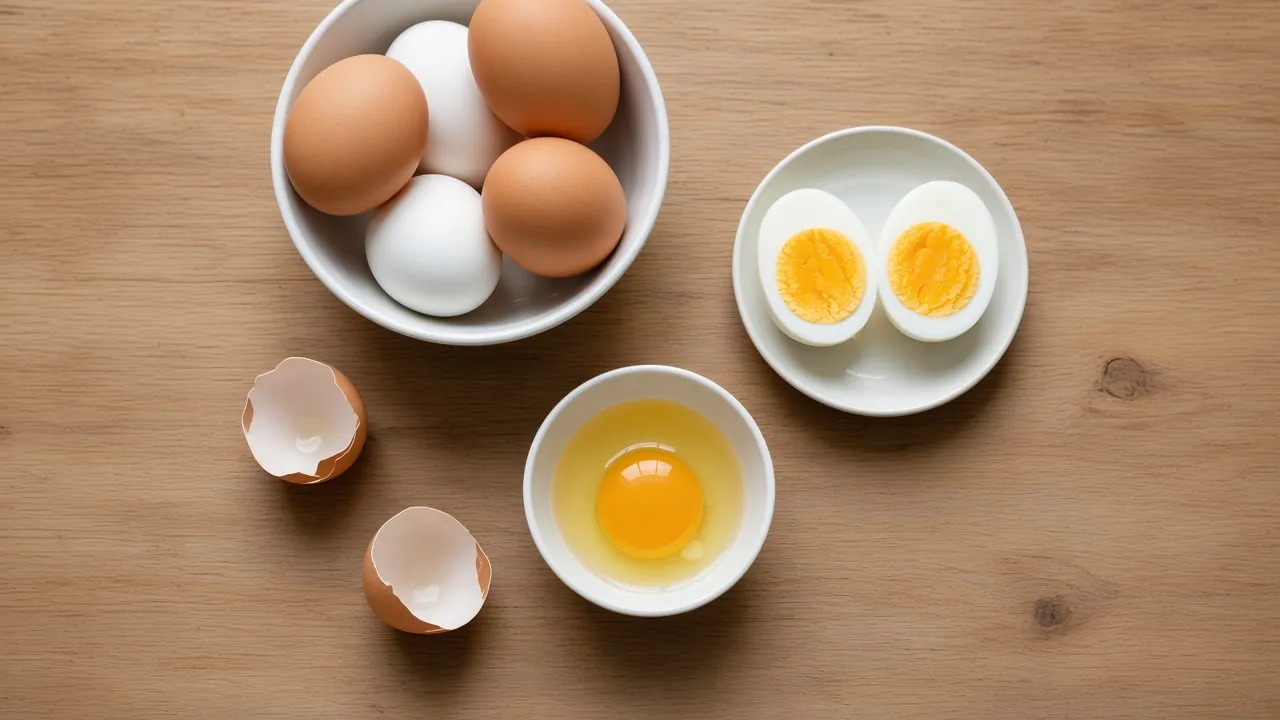
Eggs are one of the most useful ingredients in any kitchen: a five-minute omelet, shakshuka, a cake, stuffed zucchini or a coating for schnitzel. Precisely because they're so everyday, it's easy to forget that even a clean egg with an uncracked shell can carry Salmonella bacteria. The good news: a few simple habits when buying, storing and cooking help lower the risk. The rules in this article are based on guidance from the U.S. Food and Drug Administration (FDA).
This is general information, not medical advice. According to the FDA, children, older adults, pregnant women and people with weakened immune systems are at higher risk of severe illness, and anyone who suspects food poisoning should contact a doctor.
When buying
- Buy eggs only from a refrigerator or refrigerated case.
- Open the carton before it goes in your cart and make sure the eggs are clean and none of the shells are cracked.
When storing
- A cold enough fridge: the FDA recommends storing eggs promptly in a clean refrigerator at 40°F (4°C) or below, and checking the temperature with a refrigerator thermometer.
- In the original carton: keep eggs in the carton they came in and use them within about three weeks for best quality.
- Hard-boiled eggs: eat hard-cooked eggs, in the shell or peeled, within one week of cooking.
- Leftovers: cooked egg dishes keep in the fridge for 3 to 4 days. Divide a large, hot batch into several shallow containers so it cools quickly.
Can you freeze eggs?
Yes, but not in the shell. According to the FDA, to freeze whole eggs you beat the yolks and whites together. You can also freeze egg whites on their own, which is a great answer for the whites left over after a cake or a sauce. Use frozen eggs within a year.
When preparing
- Wash hands, utensils and work surfaces with hot, soapy water before and after they touch raw eggs or mixtures that contain them.
- Cook eggs until both the yolk and the white are firm. Scrambled eggs shouldn't be runny.
- Cook casseroles, bakes and other dishes containing eggs to 160°F (71°C) inside. The only way to know is a food thermometer.
- For recipes where the egg stays raw or undercooked, such as Caesar dressing or homemade ice cream, the FDA recommends pasteurized eggs or pasteurized egg products.
When serving
- Serve eggs and egg dishes right after cooking.
- Reheat a dish that was kept in the fridge to 165°F (74°C) before serving.
- Don't leave cooked eggs or egg dishes out of the fridge for more than 2 hours, or more than 1 hour when it's above 90°F (32°C). On a hot summer day that matters especially for picnics and meals served outdoors.
- For a picnic, pack a cooler with enough ice or frozen gel packs and keep it in the passenger area of the car, not the hot trunk.
Where KitchenAppes comes in
In KitchenAppes you can find egg dishes and keep your favorites in one place; see how to keep your recipes in one place. Got exactly three eggs, half an onion and a bit of cheese left? Smart Chef can suggest a recipe from what you have at home, just like in our article on cooking a recipe from what's in the house. And if you're looking at a food thermometer for your kitchen, we also have a review of the MEATER Pro thermometer.
Sources
- U.S. Food and Drug Administration (FDA): What You Need to Know About Egg Safety
KitchenAppes
Download the app