Legumes in the home kitchen: protein, fibre, menu ideas
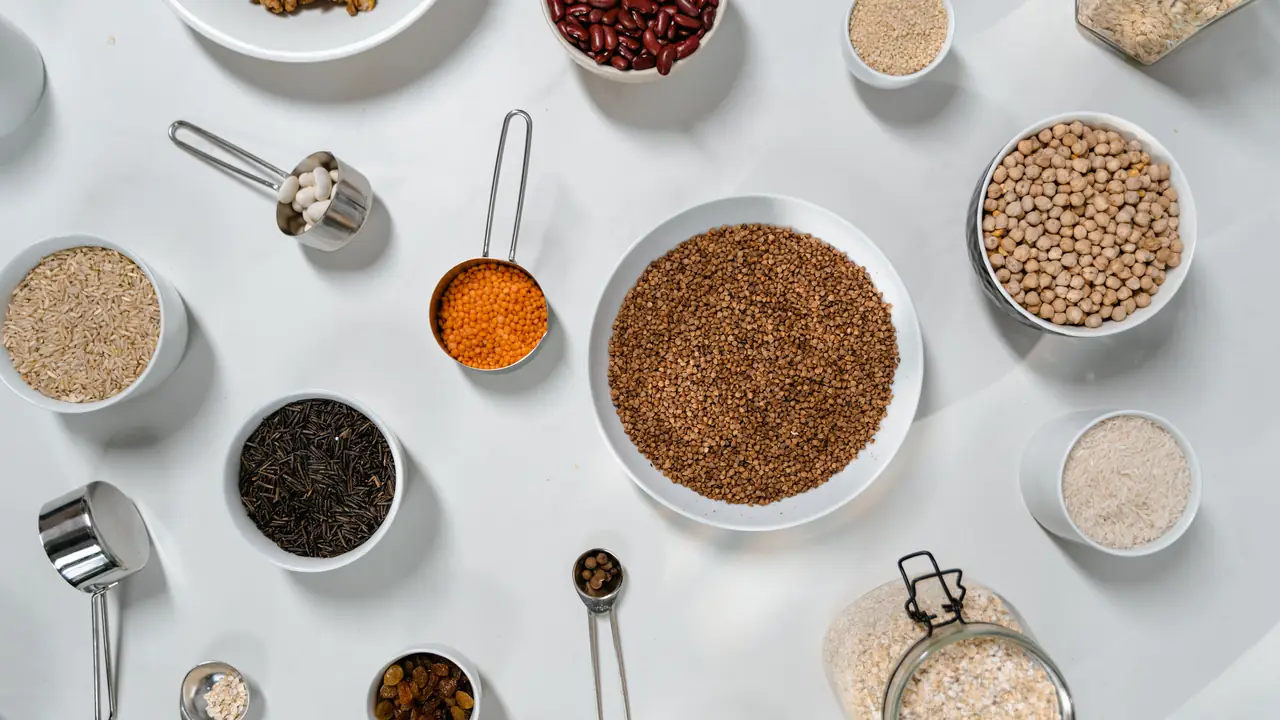
Photo: MART PRODUCTION
Lentils, chickpeas, beans and dried peas are among the cheapest items in the supermarket, and they keep in the cupboard for a long time. They are also the base of countless familiar dishes, from lentil soup to homemade hummus. In this article we explain the difference between the terms, what legumes contain according to well-known nutrition sources, and how to bring them into everyday cooking without fuss.
The information here is general and is not medical advice. Anyone with a medical condition, a sensitive digestive system or personal dietary guidance should follow their doctor or dietitian.
Legumes, pulses and beans: what is the difference
According to the Harvard School of Public Health's nutrition website (The Nutrition Source), the three terms are not the same:
- A legume is any plant from the Fabaceae family, including its leaves, stems and pods.
- A pulse is the edible seed of the plant. This group includes beans, lentils and peas.
- Beans are just one type of pulse, and include, for example, red, black and white beans, as well as chickpeas.
Their example: the pea pod is the legume, and the pea inside it is the pulse. In everyday Hebrew all of these are simply called "kitniyot", and in this article we call them all "legumes".
What legumes contain
According to the same source, legumes are an inexpensive source of protein, vitamins, complex carbohydrates and dietary fibre. They also contain folate, iron and phosphorus. In their whole, unprocessed form they are low in saturated fat and sodium.
Another point Harvard makes: thanks to their "meaty" texture, legumes can replace animal protein in some dishes, and their neutral taste suits almost any seasoning.
How much is recommended
There is no single number that suits everyone, but there are a few reference points, as they appear on Harvard's page:
| Source | Suggested amount |
|---|---|
| The Dietary Guidelines for Americans | About 3 cups a week |
| The DASH plan of the US National Heart, Lung, and Blood Institute | 4 to 5 half-cup servings a week |
| The 2019 EAT-Lancet report | About 50 grams (about a quarter cup) a day |
Harvard also notes that research on legumes and health is not yet conclusive in every area. For example, results on preventing type 2 diabetes are mixed. So it is best to treat legumes as part of a varied diet, not as a cure.
Gas and bloating
This is the most common reason people give up on legumes. According to Harvard, gut bacteria break down some of the carbohydrates in legumes and produce gas, and in some people this causes bloating and cramps. Soaking dried legumes for at least three hours and cooking them may reduce the effect.
As a general kitchen habit, many people start with a small amount and increase gradually, and pour away the soaking water before cooking.
Five simple ways to bring legumes into the menu
These are general cooking ideas, not nutritional guidance:
- Red lentils for a busy evening. They need no soaking and cook relatively quickly, so they suit a midweek soup or stew.
- One big pot, several meals. Cook a large batch of chickpeas or beans at the weekend and use it in a salad, a stew and a spread. Whatever is not eaten can be frozen in portions.
- Half and half in a meat sauce. In a bolognese or in stuffed vegetables you can replace some of the meat with lentils, and get a bigger dish for the same price.
- A can in the cupboard for emergencies. Canned legumes save the soaking and cooking. Read the label, because Harvard recommends paying attention to sodium, sugar and additives in processed legume-based products.
- A spread instead of a shop-bought sauce. Homemade hummus or a white bean spread with garlic and lemon works in a sandwich, with cut vegetables and on the side of the plate.
How it connects to planning and shopping
Dried legumes are among the best things to buy when they are on offer, because they keep for a long time. Harvard notes, citing the UN Food and Agriculture Organization (FAO), that they can be dried and stored for relatively long periods without losing their nutritional value. If you are building a menu around supermarket deals, a bag of lentils or chickpeas is a good choice for your stock.
When you add legumes to a recipe, its nutrition facts change. To understand what you see in a recipe, you can read our article on nutrition facts in a recipe. And a legume recipe that worked for you is worth saving in the KitchenAppes cookbook, so it is close at hand next week.
In short
- "Legumes" here covers lentils, chickpeas, beans and dried peas.
- They are a cheap source of protein and fibre, and also contain folate and iron.
- Recommendations range from about 3 cups a week to about 50 grams a day, depending on the source.
- Soaking for at least three hours and cooking may reduce gas.
- For processed products, check the label for sodium, sugar and additives.
KitchenAppes
Download the app