Leftovers in the fridge: how long to keep and how to reheat
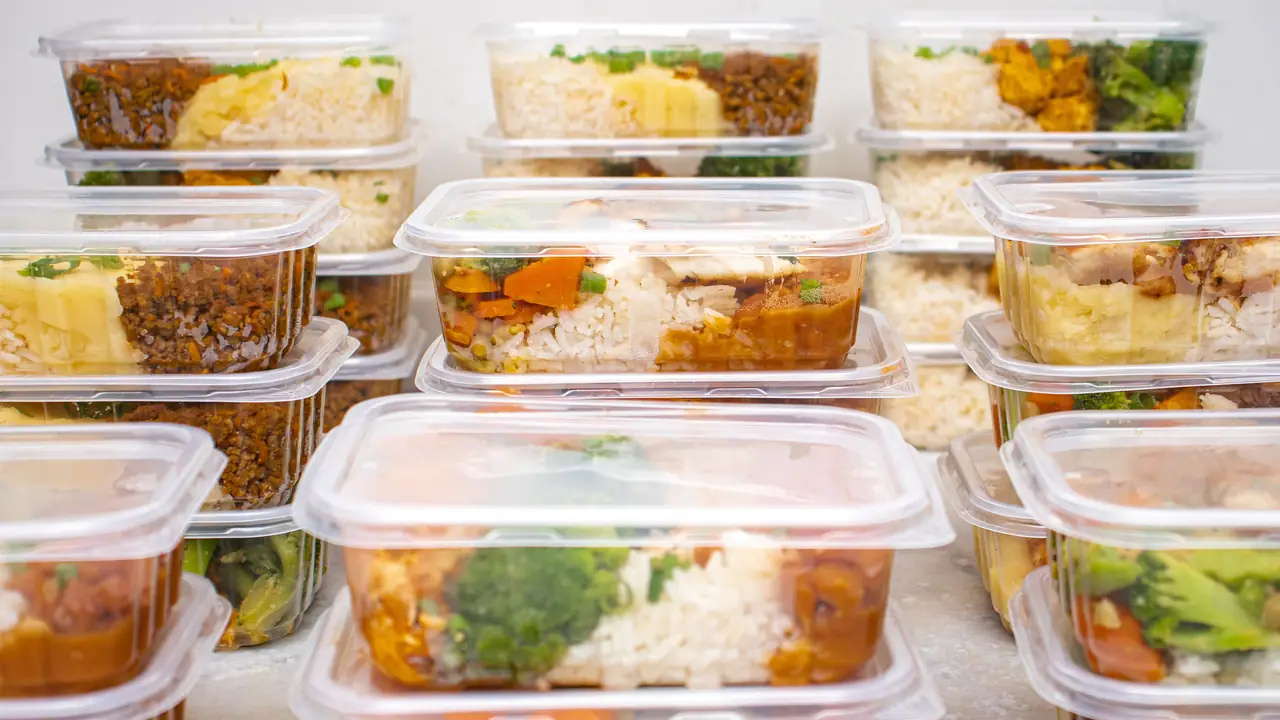
Photo: IARA MELO
You cooked a big pot of soup, half a tray of chicken and a bowl of rice are left over, and now the question is: until when is it fine to eat? Leftovers are one of the best ways to save time and money in the kitchen, but only when they are stored and reheated properly. This guide is based on the leftovers guidance from the US Department of Agriculture's Food Safety and Inspection Service (USDA FSIS), converted to degrees Celsius.
The information here is general. If you are unsure about a particular food, or for people in sensitive groups (pregnancy, infants, older adults, a weakened immune system), check with a professional. When in doubt, throw it out.
The two-hour rule
According to FSIS, bacteria multiply quickly between about 4°C and 60°C (40°F to 140°F). So:
- Put leftovers in the fridge within two hours of cooking, or of the moment the food came out of an appliance that kept it hot.
- Throw out perishable food that has stood at room temperature for more than two hours.
- When it is hot outside, above about 32°C (90°F), for example at a summer picnic, the time shrinks to one hour.
In an Israeli summer, a Friday meal left on the balcony table until evening is exactly the situation this rule is for.
Cool quickly: divide into shallow containers
FSIS explains that a big pot of soup cools slowly, and that is time in which bacteria can multiply. The solution is simple:
- Divide large amounts into small, shallow containers.
- Cut large pieces, such as a roast or a whole chicken, into smaller pieces.
- It is fine to put hot food straight into the fridge. You can also cool it first in a bath of cold water or ice.
Then cover it well: an airtight lid, wrap or a storage container. According to FSIS this keeps bacteria out, retains moisture and stops the leftovers from picking up smells from other food in the fridge.
How long in the fridge and how long in the freezer
| Where | How long according to FSIS |
|---|---|
| Fridge | 3 to 4 days |
| Freezer | 3 to 4 months (for quality) |
FSIS notes that frozen leftovers stay safe for a long time, but after a long period they lose moisture and flavour. A small tip: write on the container what is inside and when it was cooked. That way you do not have to guess on day five.
More on what to freeze, how to pack it and how long it keeps in the freezer in our guide to freezing food at home.
Safe thawing
Three safe ways to thaw leftovers, according to FSIS:
- In the fridge. The slowest, but the food stays safe the whole time. After thawing, use within 3 to 4 days, or refreeze.
- In cold water. Faster, but only in a sealed, leak-proof package. Food thawed this way should be cooked before refreezing.
- In the microwave. The fastest. Keep heating until the food reaches 74°C (165°F).
And in a busy week: according to FSIS, you can also reheat frozen leftovers without thawing, in a pot, in the oven or in the microwave. It just takes longer.
Reheating properly
- Reheat leftovers to 74°C (165°F), and check with a food thermometer.
- Bring sauces, soups and meatballs in sauce to a full boil.
- Cover while reheating to keep moisture in and make sure the food heats all the way through.
- In the microwave, turn and stir, because there are cold spots. Check the temperature in several places after a short standing time.
If you do not have a food thermometer, it is one of the cheapest and most useful devices in the kitchen. We wrote about the MEATER Pro thermometer, but a simple probe thermometer does the job too.
What to do with leftovers
Good leftovers are an ingredient, not just "the same meal again". Roast chicken becomes a filling for a sandwich or a salad, yesterday's rice becomes fried rice, and roasted vegetables become a savoury bake. If the fridge is full of half-empty containers and you have no idea what to make, we have a guide to a recipe from what you have at home in three steps. And if you plan ahead, you can build a weekly menu in which Sunday's cooking also feeds Monday.
In the community cookbook you can search for dishes by an ingredient you already have, and save what worked for next time.
In short
- Into the fridge within two hours (one hour when it is above about 32°C).
- Divide large amounts into shallow containers and cover well.
- 3 to 4 days in the fridge, 3 to 4 months in the freezer.
- Thaw in the fridge, in cold water in a sealed package, or in the microwave.
- Reheat to 74°C, and bring sauces and soups to a boil.
In doubt? Throw it out. A container of soup is not worth an upset stomach.
KitchenAppes
Download the app