Dietary fibre: how much a day and easy ways to add more
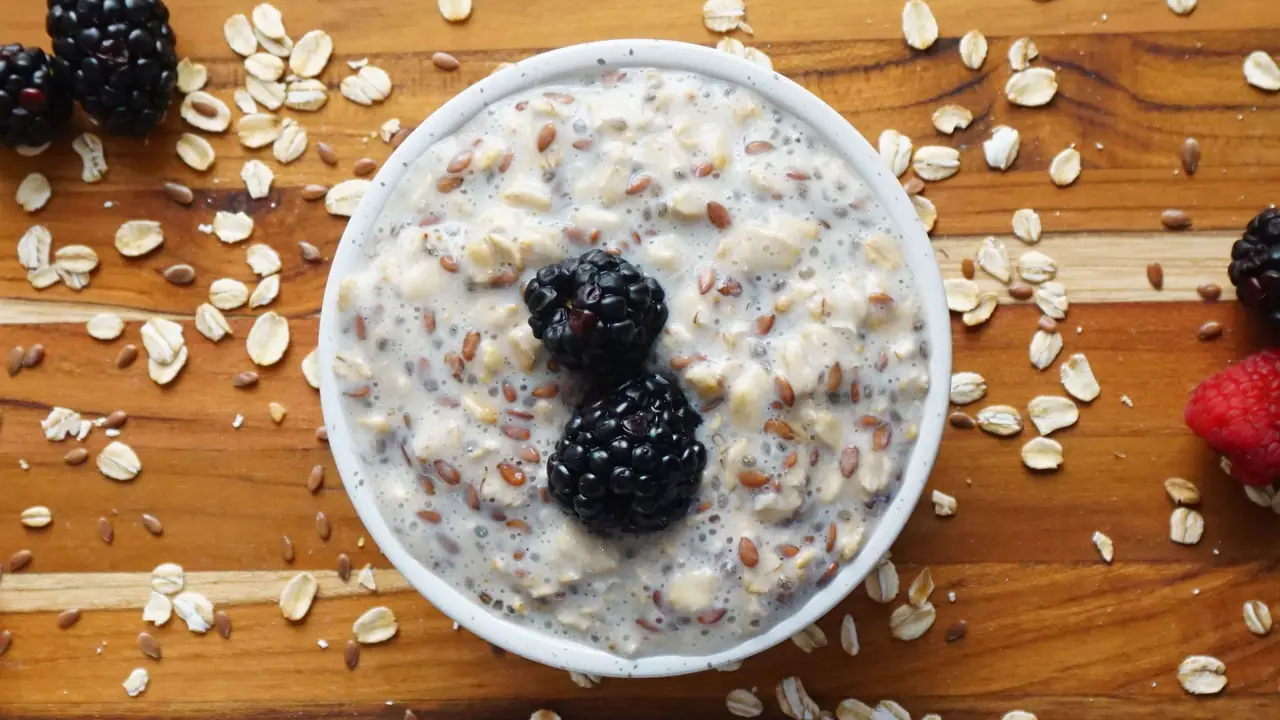
Photo: Livilla Latini
Dietary fibre is one of the easiest nutrients to forget, yet it appears in almost every recommendation for a balanced diet. In this article we briefly explain how much fibre the World Health Organization (WHO) recommends, the difference between soluble and insoluble fibre, and how to add it to everyday food at home without changing the whole menu.
The information here is general and is not medical advice. Anyone with a bowel condition, a sensitive digestive system or personal dietary guidance should follow their doctor or dietitian.
How much fibre is recommended
According to WHO's healthy diet fact sheet:
- From age 10 and up, aim for at least 25 grams of fibre a day, from fibre that comes naturally from food.
- For young children the amount is lower: at least 15 grams at ages 2 to 5, and at least 21 grams at ages 6 to 9.
- On the same page WHO also recommends at least 400 grams of vegetables and fruit a day from age 10, and notes that carbohydrates in the diet should come mainly from whole grains, vegetables, fruit and legumes.
The Nutrition Source, the website of the Harvard School of Public Health, gives a similar range, 25 to 35 grams a day, and adds that most Americans eat only about 15 grams.
Two types of fibre
According to Harvard, there are two types, and both contribute:
| Type | What it does | Where to find it |
|---|---|---|
| Soluble (dissolves in water) | Can help lower blood sugar and cholesterol levels | Oats, chia seeds, nuts, beans, lentils, apples, blueberries |
| Insoluble | Helps food move through the digestive system and prevents constipation | Whole-wheat products, quinoa, brown rice, legumes, leafy greens, almonds, walnuts, seeds, fruit eaten with the skin |
The practical takeaway is simple: you do not need to pick one type. A variety of whole grains, legumes, vegetables and fruit covers both.
Six ways to add fibre in the kitchen
These are general kitchen habits, not medical guidance:
- Swap half, not everything. White rice half and half with brown rice, or regular pasta mixed with whole-wheat pasta. The family gets used to it without protest.
- Legumes in what you already cook. A handful of red lentils in vegetable soup, chickpeas in a stew, white beans in tomato sauce. Red lentils almost disappear in soup.
- Breakfast with oats. Porridge, homemade granola, or overnight oats with yogurt and fruit.
- Do not peel when you do not need to. Apples, pears, cucumbers and baked potatoes can be eaten with the skin, after a good wash.
- A vegetable at every meal. A small salad with lunch, cut vegetables next to a sandwich, or a handful of spinach in an omelette.
- Nuts and seeds as a topping. A spoonful of chia or flax seeds in yogurt, toasted almonds on a salad, raw tahini next to the vegetables.
Increase gradually
Harvard notes that it is worth increasing fibre gradually, because a sharp, sudden increase can cause bloating and cramps, and that drinking more fluids along with the fibre can help reduce these effects. In other words: do not start tomorrow morning with a giant bowl of bran. Add one change a week.
How it connects to planning
The easiest way to eat more fibre is to plan for it in advance. When you build a weekly family menu, you can mark one evening of legumes and one of whole grains, and add them to the shopping list. Recipes that worked can be saved in the KitchenAppes cookbook, and if you are curious about a dish's nutrition facts, we have an article on nutrition facts in a recipe.
In short
- WHO's recommendation from age 10: at least 25 grams of fibre a day, from food.
- There is soluble and insoluble fibre, and a variety of foods covers both.
- Whole grains, legumes, vegetables, fruit with the skin, nuts and seeds are the main sources.
- Increase gradually and drink more.
KitchenAppes
Download the app