Cross-contamination in the kitchen: boards, marinade
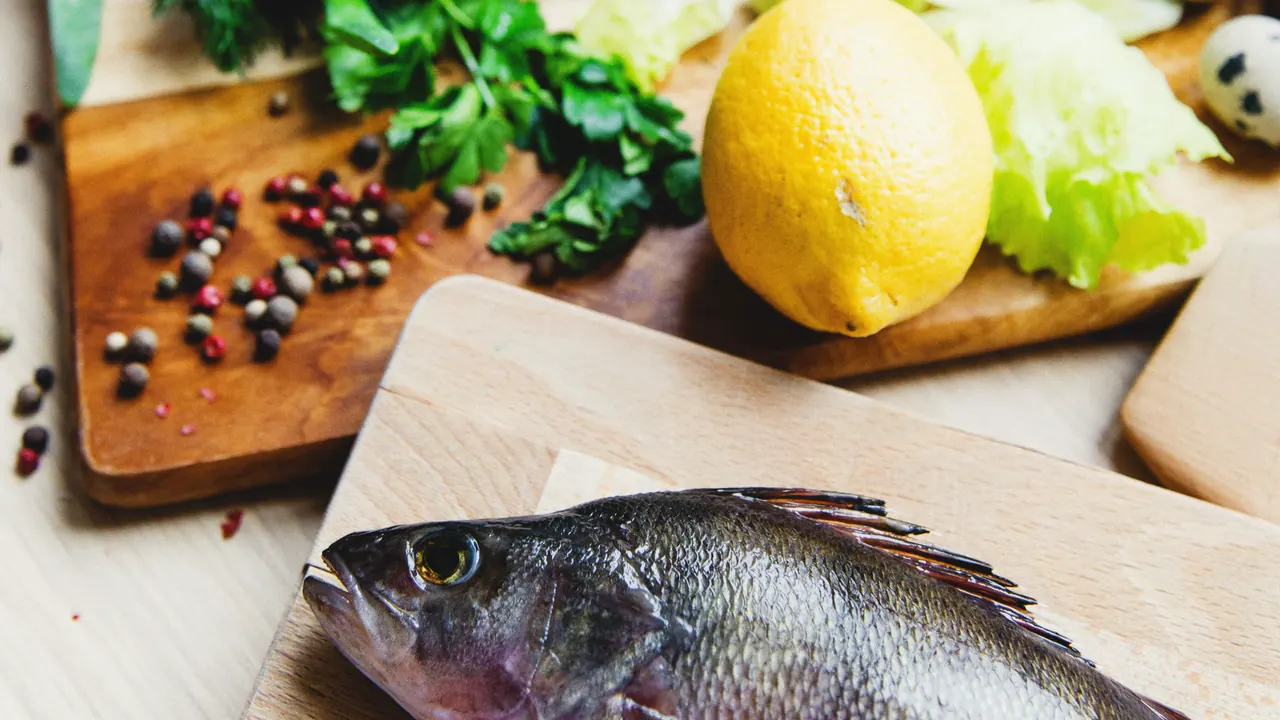
Photo: Ksenia Chernaya
Most food-safety care goes into the cooking itself, but much of the risk comes earlier: the same board that cut chicken and then tomatoes, or the plate that held raw meat and goes back to the table with the finished steak. In this article we go through the US Food and Drug Administration (FDA) guidance for the "clean" and "separate" steps, and turn it into simple habits for the home kitchen.
The information here is general. The full guidance, including cooking and chilling temperatures, is on the FDA's page.
The four steps in brief
The FDA sums up food safety at home in four steps: clean, separate, cook and chill. In this article we focus on the first two, because that is where cross-contamination happens: bacteria moving from raw food to food that is already prepared or that is eaten without cooking.
Clean: hands, surfaces and towels
According to the FDA:
- Hands: wash with warm water and soap for at least 20 seconds, before and after handling food.
- Boards, utensils and countertops: wash with hot soapy water after preparing each food item, not only at the end of cooking.
- Towels: you can use paper towels to clean surfaces. If you use cloth towels, wash them often on a hot cycle.
- Fruit and vegetables: rinse under running water, including ones whose peel you do not eat, and scrub firm produce with a clean brush.
- Cans: clean the lid before opening.
Separate: from the cart to the plate
This is where most mistakes happen. According to the FDA:
| Where | What to do |
|---|---|
| In the cart and bags | Keep raw meat, poultry, seafood and eggs apart from other groceries |
| In the fridge | Store them separately from other food |
| On the counter | One cutting board for fresh fruit and vegetables, and a separate board for raw meat, poultry and seafood |
| When serving | Do not put cooked food on a plate that held raw meat, poultry, seafood or eggs unless it has been washed in hot soapy water |
| Marinade | Do not reuse marinade that was on raw food unless you bring it to a boil first |
Five habits that make it easy
These are practical kitchen suggestions, not part of the guidance itself:
- Two boards in two colours. One colour for meat and poultry, another for vegetables and bread. That way you do not have to remember which board was used for what.
- Order of work. Cut the salad and vegetables first, and only then the meat. That way the board and knife do not go from raw meat to vegetables.
- A clean plate next to the pan or grill. Set it out in advance so you are not tempted to put the steak back on the plate it arrived on.
- Set marinade aside before soaking. Want a sauce for serving? Pour some off to the side before the chicken goes in.
- One towel for hands and one for dishes. Do not wipe your hands after raw chicken on the same towel that dries the plates.
And after separating
The next step is to cook to a safe internal temperature. The FDA notes that colour and texture are not reliable signs, and that a food thermometer is the only way to make sure meat, poultry, seafood and eggs have reached the right temperature. We wrote about a smart thermometer in the article on the MEATER Pro thermometer. Recipes you make again and again can be saved in the KitchenAppes cookbook, and what is left after the meal is covered in the article on food waste at home.
In short
- Cross-contamination happens mainly in the "clean" and "separate" steps, before cooking even starts.
- Wash hands for 20 seconds, and wash boards and utensils after each food.
- A separate board for raw meat, a clean plate for cooked food, and used marinade only after boiling.
- Finally, check with a thermometer, not by colour.
KitchenAppes
Download the app