Food waste at home: seven shopping and cooking habits
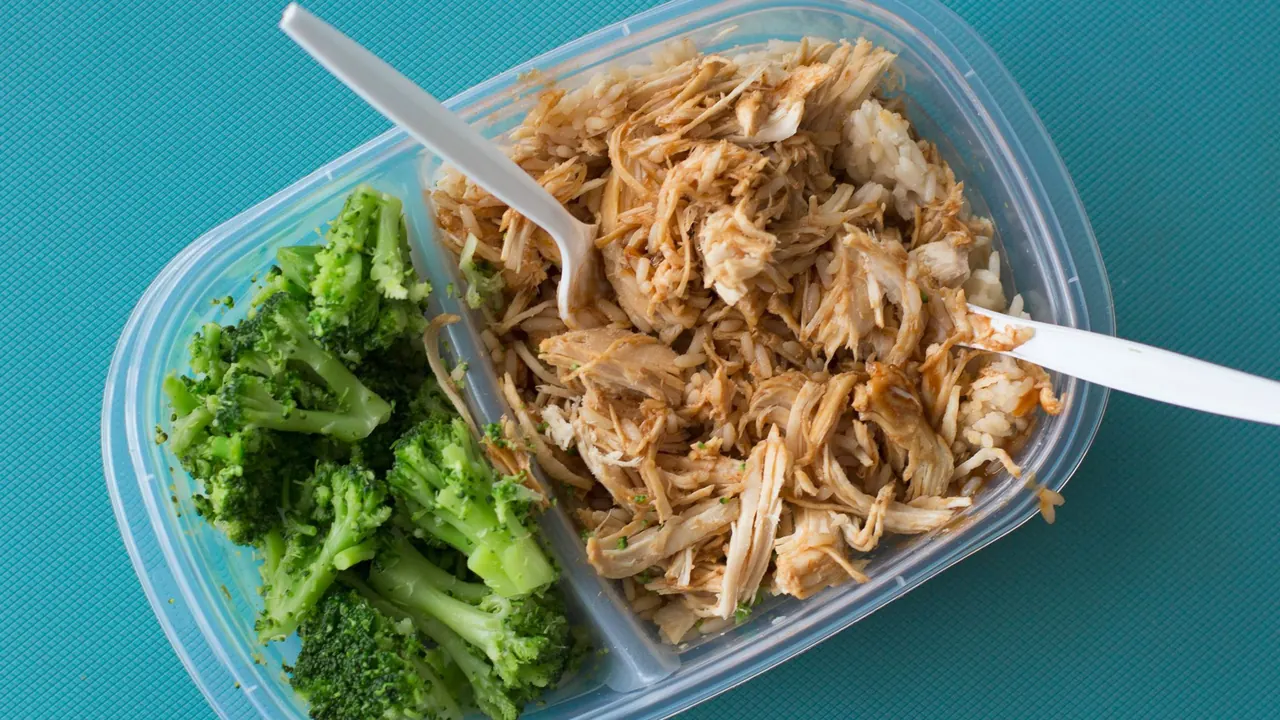
Photo: Keegan Evans
How many times this week did you throw out half a lettuce, bread that went stale, or a container you forgot at the back of the fridge? It is not just you. According to the Food Waste Index Report 2024 from the UN Environment Programme (UNEP), about 1.05 billion tonnes of food were wasted worldwide in 2022 (including inedible parts), about 132 kg per person, and almost one fifth of all food that reached consumers. 60% of the waste happened in households, 28% in food service and 12% in retail.
The good news: at home we have the most control. Here are seven simple habits that help.
1. Check what you have before you go to the supermarket
A quick photo of the fridge and the pantry before you shop saves you the third carton of cream. Even better: write a list that starts from what you already have. We wrote about this in the guide to a Shabbat shopping list.
2. Plan a menu for the week, even a partial one
You do not need to plan every meal. It is enough to know what you are cooking on three or four evenings, and to shop for that. The weekly family menu explains how to do it in a quarter of an hour.
3. A deal is only a deal if you use it
A two-for-one deal on a vegetable that will go off by Wednesday is not a saving. Before it goes in the cart, ask: which meal will it go into? We have a guide to a menu around supermarket deals that works the other way round: the deal first, then the dish.
4. "First in, first out" in the fridge
When you put the shopping away, move what was already in the fridge to the front and put the new things at the back. One shelf or a clear box labelled "eat first" works wonders.
5. The freezer is your friend
Sliced bread, chopped herbs in oil in an ice-cube tray, overripe bananas for smoothies, and cooked portions in small containers. Whatever you will not get to in time can usually be frozen before it spoils. Write on each container what is in it and when it was frozen.
6. Cook from what is left
A quarter of a cabbage, two carrots and leftover rice are not waste, they are a meal. If you are out of ideas, try our method for a recipe from what you have at home in three steps, or search by ingredient in the community cookbook.
7. Cook the amount that gets eaten
If half a pot is left every time and nobody touches it, maybe the amount is too big. A recipe for six servings can be halved for a family of three, or you can deliberately cook double and freeze half. When the recipe is saved with you, it is easy to update it to the amount that suits your home.
Why it matters beyond your wallet
UNEP notes that food loss and waste account for 8 to 10 percent of annual global greenhouse gas emissions, and that their cost to the world economy is estimated at around a trillion dollars a year. The report also mentions that hotter countries tend to waste more food per person in households, possibly because of higher consumption of fresh food. In Israel, with its long, hot summer, that is one more reason to plan and to refrigerate properly.
In short
- Check what you have before shopping, and shop by a menu.
- A deal goes in the cart only if it has a meal.
- Old to the front, new to the back.
- Freeze before it spoils, and cook from leftovers.
- Match the recipe's amount to your household.
KitchenAppes
Download the app