How to thaw meat and chicken safely: three proven methods
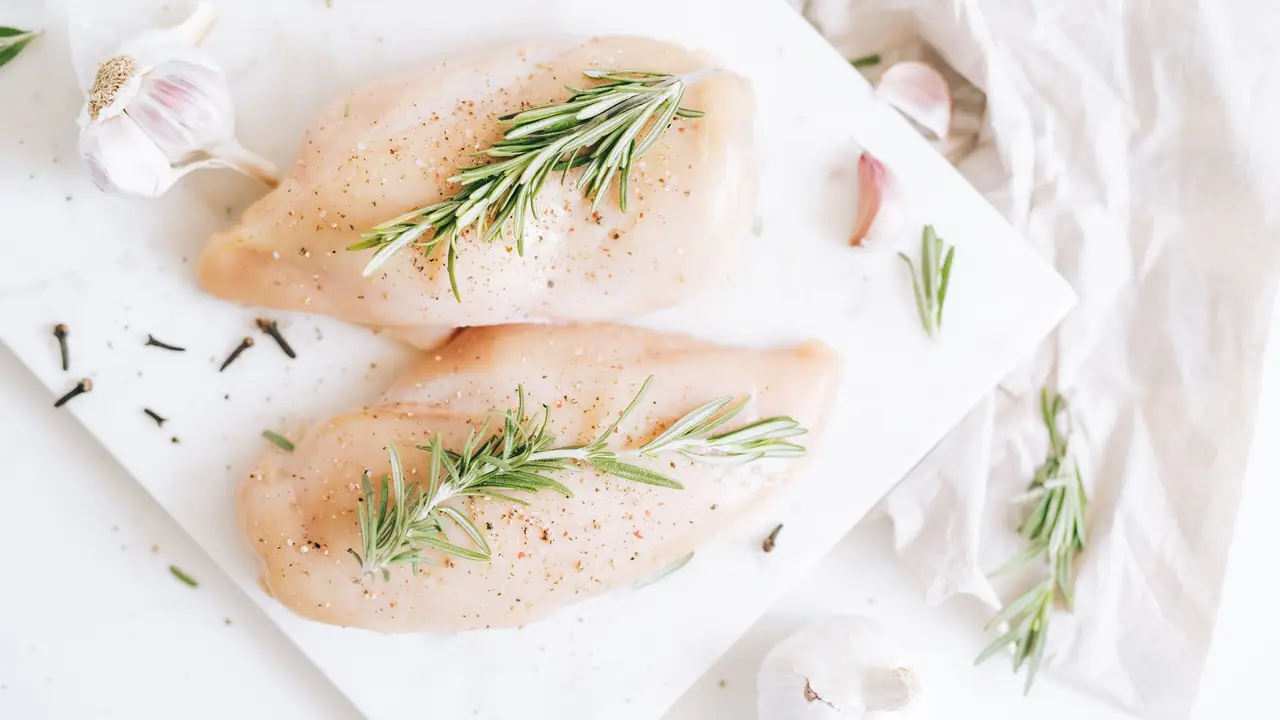
Photo: Leeloo The First
You forgot to take the chicken out of the freezer, and now you are tempted to leave it on the counter or put it in hot water. It may be quick, but according to the US Department of Agriculture's Food Safety and Inspection Service (USDA FSIS), those are exactly the methods to avoid. In this article we go through the three safe ways to thaw meat, chicken and fish, how long each one takes, and what to do when you have no time at all.
The information here is general and based on official food-safety guidance. If you are unsure about a particular food, it is better not to eat it.
Why not on the counter
According to USDA, frozen food is safe as long as it stays frozen. But once it starts to thaw and rises above about 4°C (40°F), bacteria that were present before freezing can begin to multiply. Even when the centre of the package is still frozen, the outer layer may be in the "danger zone", between about 4°C and 60°C (40°F to 140°F), where bacteria multiply quickly.
So the guidance is clear: do not thaw on the counter or in hot water, and perishable food should not stay at room temperature for more than two hours.
The three safe methods
| Method | How long | What to know | Can you refreeze? |
|---|---|---|---|
| In the fridge | A small piece (about half a kilo of minced meat or chicken breast) needs a full day | The safest, requires planning | Yes, without cooking (with some loss of quality) |
| In cold water | A package of about half a kilo: up to about an hour; 1.5–2 kg: two to three hours | In a leak-proof bag, submerged in cold tap water, changing the water every 30 minutes | Only after cooking |
| In the microwave | Minutes | Parts start to cook, so cook immediately afterwards | Only after cooking |
In the fridge
This is the recommended method when you plan ahead. USDA notes that after thawing in the fridge, minced meat, stew meat, chicken and seafood stay safe and good quality for another day or two before cooking, and cuts of red meat (steaks, chops, roasts) for another 3 to 5 days. Note that in a colder fridge thawing is slower, and that some areas of the fridge are colder than others.
In cold water
Faster, but you need to keep an eye on it. The bag must be leak-proof, otherwise bacteria from the surroundings can get in and the meat may absorb water. Change the water every half hour. Once the meat has fully thawed, cook it immediately.
In the microwave
The fastest, but during thawing parts of the food heat up and even start to cook, which means they enter the danger zone. So cook immediately after thawing, in the microwave, in the oven or on the grill. Do not keep partly cooked food for later.
No time at all? Cook from frozen
According to USDA, it is allowed and safe to cook straight from frozen. Cooking will take about 50% longer than the usual time for fresh or thawed meat. This is where a food thermometer is worth its weight in gold: according to FoodSafety.gov (the US government's food-safety website), poultry of any kind should reach 74°C inside, minced meat 71°C, and steaks and roasts of beef, lamb and pork 63°C with a 3-minute rest. If you have a smart thermometer, we wrote about one in the article on the MEATER Pro thermometer.
Where not to thaw
USDA also lists places where you should not thaw food at all: the garage, the basement, the car, the dishwasher, a rubbish bag, on the counter, outdoors or on the balcony.
How it connects to planning
The simplest way to avoid "I forgot to thaw it" is to plan. When you put together a weekly family menu, write next to each meal what needs to move from the freezer to the fridge and when. In the KitchenAppes cookbook you can add a note to a recipe such as "take out of the freezer the evening before".
More on what to freeze, how to pack it and how long it keeps in the freezer in our guide to freezing food at home.
In short
- Do not thaw on the counter or in hot water.
- Three safe ways: the fridge (best), cold water (change it every 30 minutes), the microwave (and cook immediately).
- You can cook from frozen, allowing about 50% more time, and check with a thermometer.
- Only what was thawed in the fridge can be refrozen without cooking.
KitchenAppes
Download the app