Salt in home cooking: recommended amounts and cutting back
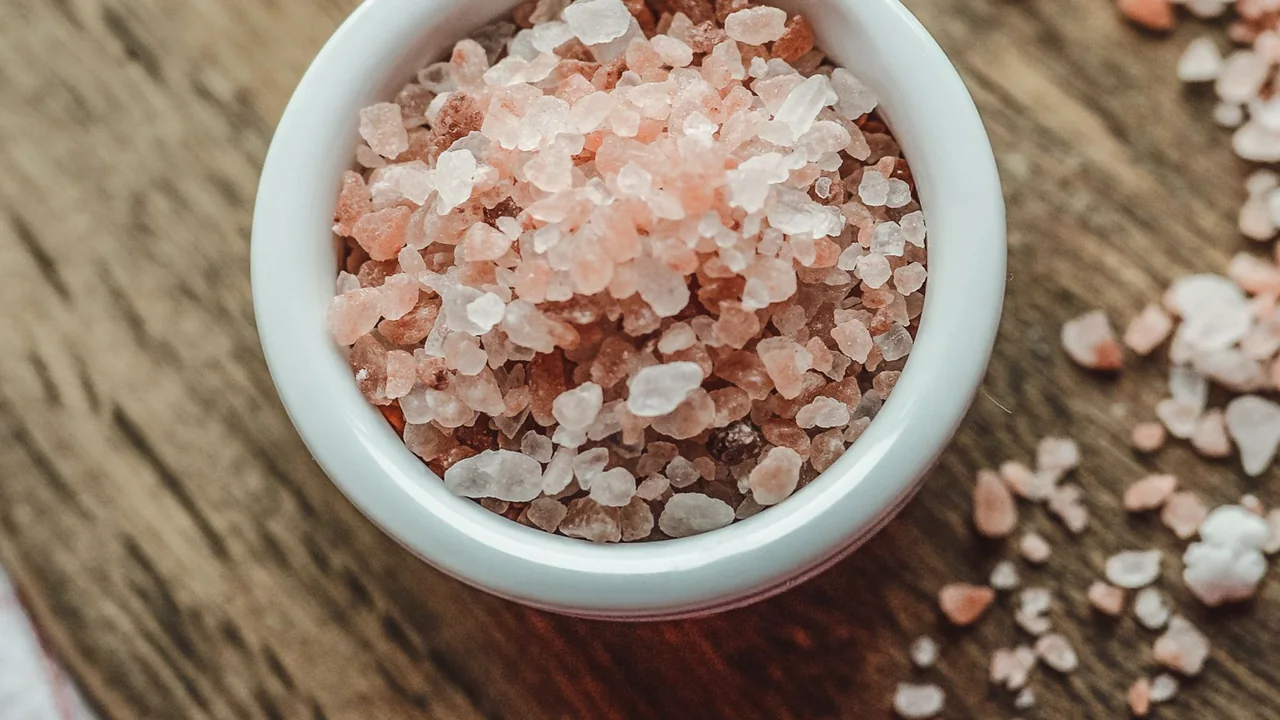
Photo: monicore
How much salt do you really eat in a day? Most people do not know, and for good reason: much of the salt does not come from the salt shaker but from bread, cheese, ready-made sauces and processed meats. This article briefly answers how much salt a day is recommended by the World Health Organization (WHO), explains how to spot high-sodium products on Israeli shelves, and how to cook with less salt without the food turning out bland.
The information here is general and is not medical advice. Anyone with high blood pressure or kidney disease, or who has been given personal dietary guidance, should follow their doctor or dietitian.
What the recommendation is
According to the WHO fact sheet on sodium reduction:
- Adults are advised to have less than 2,000 mg of sodium a day, which is less than 5 grams of salt, about one teaspoon.
- Average global intake among adults in 2021 was about 4,278 mg of sodium a day, roughly 11 grams of salt. More than double the recommendation.
- The main health effect of too much sodium is raised blood pressure, which increases the risk of cardiovascular disease.
- For children aged 2 to 15, WHO recommends adjusting the amount downwards according to their energy needs.
WHO also notes that all salt eaten should be iodized.
Where the salt hides
WHO lists common sources of sodium: bread, processed meat, snacks, and sauces such as soy sauce and fish sauce. In many countries a significant share of sodium comes from processed food, not from cooking at home.
In Israel there is a tool that helps you spot this quickly: the red "high in sodium" symbol on the front of the package. According to the Ministry of Health (the EfshariBari programme), since January 2021 the labelling requirement applies to:
| Type of food | Sodium above |
|---|---|
| Solid food | 400 mg per 100 grams |
| Liquid food | 300 mg per 100 ml |
The Ministry of Health stresses two things: a product with a red symbol is not forbidden, but it is worth eating in moderation and looking for an alternative in the same category. And a product without a red symbol does not automatically become healthy. Even without a red symbol, it is worth reading the nutrition table on the back of the package, especially on seasoning mixes and salty products.
How to cook with less salt
These are kitchen habits, not medical guidance, but they work:
- Taste at the end. Salt added at the start of a long cook becomes more concentrated as the liquid evaporates. Season lightly at the beginning and adjust at the end.
- Acid instead of salt. A squeeze of lemon, a little vinegar or sumac wakes up the flavour and reduces the need for salt, especially in salads, legumes and fish.
- Herbs and spices. Garlic, golden fried onion, cumin, smoked sweet red pepper powder, za'atar, coriander and dill add depth without sodium.
- Watch the salty ingredients. When a recipe already has salty cheese, olives, soy sauce or soup powder, you probably do not need to add salt at all, or only a little.
- Soup powder and ready-made sauces. They are among the most concentrated sources. You can swap in a homemade stock, or look for a reduced-sodium version and check the table.
- Cut back gradually. Your palate adjusts. Reduce a little each time, and after a few weeks the same dish tastes seasoned enough.
For people who use table salt, WHO also suggests lower-sodium salt substitutes that contain potassium. Before such a switch, anyone with kidney disease or on regular medication should consult a doctor.
And what about recipes?
Most recipes say "salt to taste", and that is exactly the opportunity. When you save a recipe in the KitchenAppes cookbook, you can write yourself a note on how much salt you actually used and whether it was enough, and improve it next time. If you are building a weekly family menu, it is worth checking in advance which dishes rely on processed ingredients and balancing them with simple home-cooked ones. And if you are curious about a recipe's nutrition facts, we have an article on nutrition facts in a recipe.
In short
- WHO's recommendation for adults: less than 5 grams of salt a day, about a teaspoon.
- Much of the salt comes from processed food, bread and sauces.
- At the supermarket: look for the red sodium symbol, and read the table as well.
- In the kitchen: taste at the end, add acid and spices, and cut back gradually.
KitchenAppes
Download the app