Free sugars: WHO daily limit and how to cut back at home
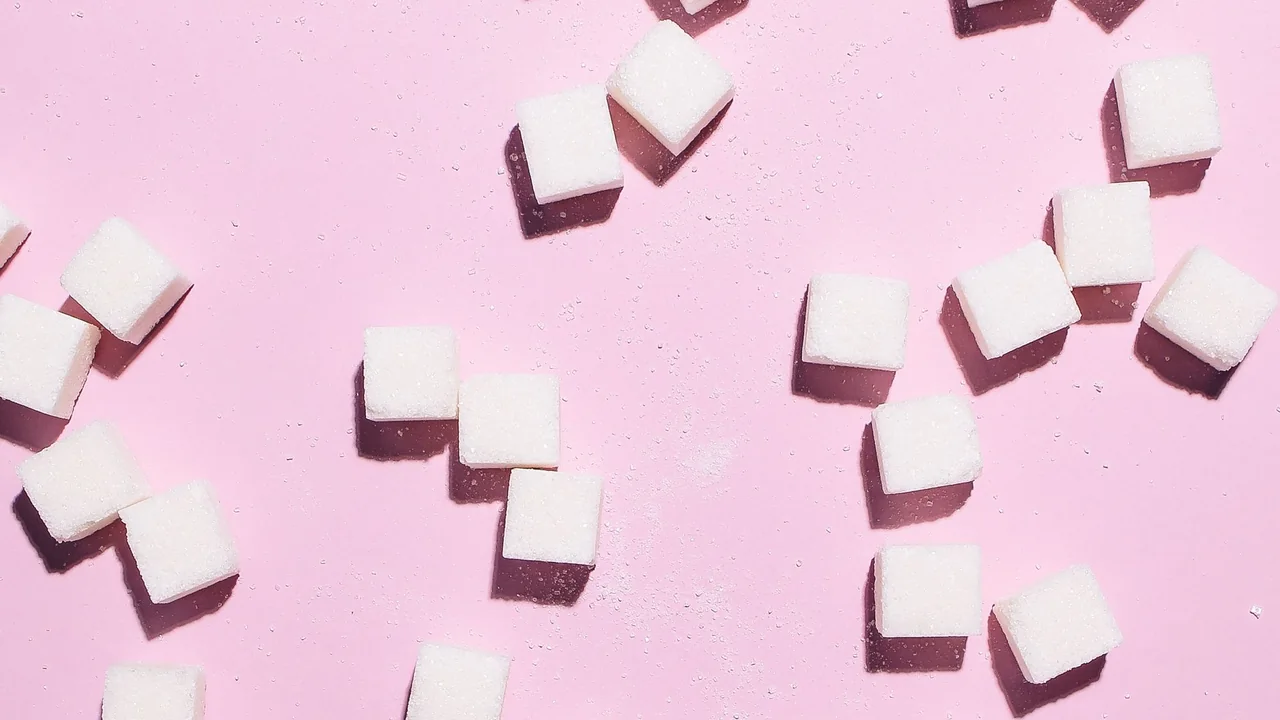
Photo: Polina Tankilevitch
Sugar is not only what goes into your coffee. A large share of it comes from products that do not look like sweets at all, such as ketchup, sauces and drinks. In this article we explain what the World Health Organization (WHO) defines as "free sugars", how much it recommends, and how to cut back on them in everyday cooking without giving up flavour.
The information here is general and is not medical advice. Anyone with diabetes, another condition or personal dietary guidance should follow their doctor or dietitian.
What "free sugars" are
According to WHO, free sugars are:
- monosaccharides (such as glucose and fructose) and disaccharides (such as table sugar) added to food and drinks, whether by the manufacturer, the cook or ourselves at the table;
- and also sugars naturally present in honey, syrups, fruit juices and fruit juice concentrates.
Sugars inside whole fruit, vegetables and milk are not included in the definition. WHO explains that there is no evidence of harm from eating these sugars.
How much is recommended
According to WHO's healthy diet fact sheet:
- Free sugars should be limited to less than 10% of daily energy. For a person eating about 2,000 calories a day, that is roughly 50 grams, about 12 level teaspoons.
- A further reduction to 5% or less (about 25 grams, about 6 teaspoons) may bring additional benefit. WHO presents this target as a "conditional" recommendation, meaning the evidence for it is weaker.
Where sugar hides
WHO gives two examples that help put it in perspective:
| Product | Free sugars, approximately |
|---|---|
| One tablespoon of ketchup | about 4 grams (one teaspoon) |
| One can of sugar-sweetened soft drink | up to 40 grams (about 10 teaspoons) |
One can on its own can come close to a whole day's target. So the best place to start is with drinks and sauces, not with the Shabbat cake.
Six ways to cut sugar in the kitchen
These are general kitchen habits, not medical guidance:
- Water with meals. A jug of water with slices of lemon, cucumber or mint instead of a sweetened drink or juice.
- Whole fruit instead of juice. A whole orange, not a glass of orange juice. Under WHO's definition, juice counts as free sugars and whole fruit does not.
- Homemade sauces. Homemade tomato sauce, vinaigrette or tahini instead of shop-bought sauces. When you make them yourself, you decide how much sugar goes in, and often you do not need any at all.
- Cut back gradually in baking. In many cake and cookie recipes you can reduce the sugar a little each time and check the result. In baking, sugar also affects the texture, so it is better to change a little at a time rather than all at once.
- Flavour without sugar. Cinnamon, vanilla, grated orange zest or ripe mashed fruit give a sense of sweetness in porridge and cakes.
- Read the ingredient list. Sugar appears under many names, such as syrup, honey, glucose or fructose. When they appear near the top of the list, the product contains a lot of them.
How it connects to planning
Habits like these are easiest to start at the planning stage. When you build a weekly family menu, you can mark an evening with a homemade sauce in advance and add whole fruit to the shopping list. A lower-sugar recipe that worked is worth saving in the KitchenAppes cookbook. If you want to understand what is written on the package and in the recipe better, you can also read our article on nutrition facts in a recipe.
In short
- Free sugars include added sugar, and also honey, syrups and fruit juices.
- WHO recommends less than 10% of daily energy (about 50 grams at 2,000 calories), with 5% as a further target.
- Much of the sugar comes from drinks and sauces, and that is the easiest place to start.
- Change gradually, and choose whole fruit over juice.
KitchenAppes
Download the app