Package dates: use by versus best before explained
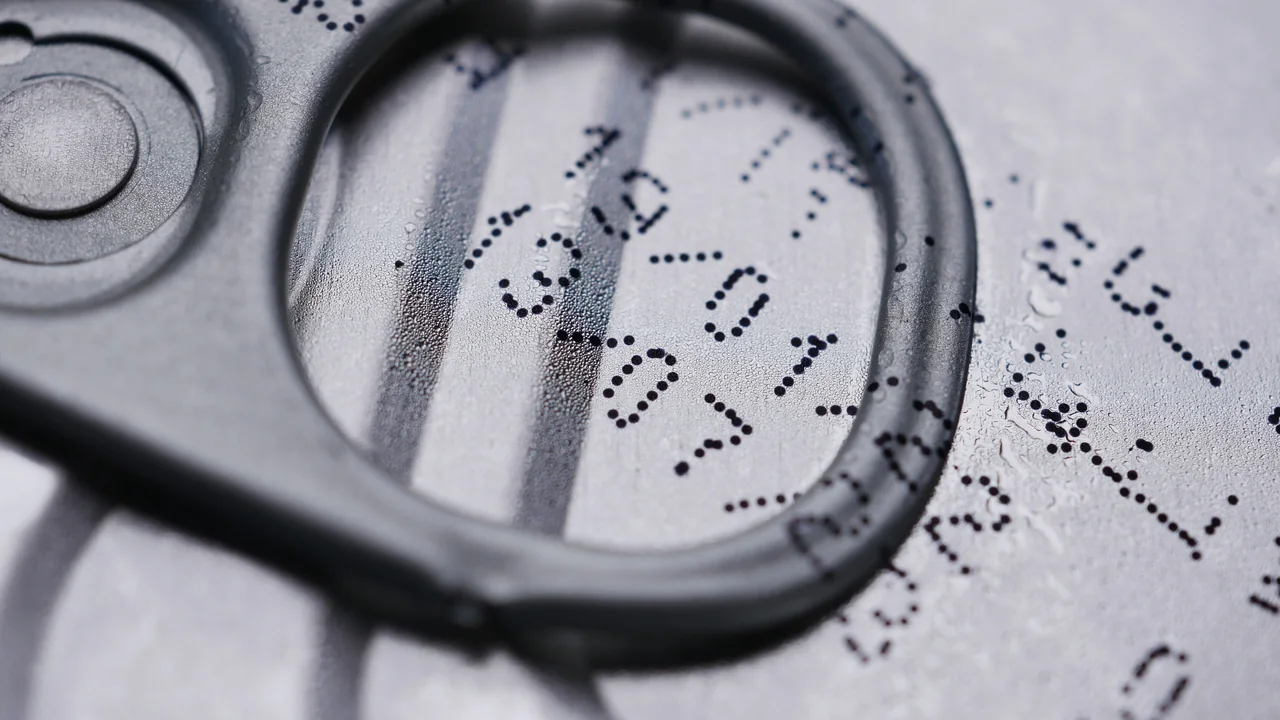
Photo: Towfiqu barbhuiya
Almost every packaged product in the supermarket comes with a date, but not all dates mean the same thing. One kind of date is about safety, and another is about quality. If you can tell them apart, you throw away less good food and take no risks with food that is no longer safe. In this article we explain the difference according to guidance from the UK Food Standards Agency (FSA) and Food Standards Scotland.
The exact wording on packages in Israel can vary between manufacturers and products. What matters is understanding which type of date appears, and following the storage instructions on the package.
Two types of dates
| Type | What it is about | Where you see it |
|---|---|---|
| "Use by" | Safety. After the date the food is no longer safe to eat | Food that goes off quickly: fresh meat and fish, sliced cooked meats, ready-made salads, some dairy products |
| "Best before" | Quality. After the date the food is usually still safe, but its taste, colour or texture may not be as good | Frozen food, dry food such as pasta and rice, canned food, cheese, bread and breakfast cereals |
According to the FSA, it is the manufacturer who decides which date to use, based on the type of food and how likely it is to become unsafe over time.
"Use by": do not sniff, just stick to it
This is the date you do not argue with. The FSA says that eating food after this date could make you ill.
Two points worth knowing:
- The smell test does not work here. According to the FSA, you cannot smell the bacteria that cause food poisoning. Food Standards Scotland adds that food can look and smell normal after the date and still contain harmful bacteria.
- Incorrect storage shortens the time. If food is not stored according to the instructions, it can become unsafe even before the date. When the label says to keep refrigerated after opening, the FSA recommends a fridge at 5°C or below.
When you can still eat it after the date
According to the FSA, you can eat food after its "use by" date only if you cooked or froze it by the date:
- Cooking: cook before the date, cool and keep in the fridge, and eat within 48 hours or freeze.
- Freezing: bacteria do not multiply in the freezer. The FSA recommends a freezer at -18°C, following the freezing and thawing instructions on the package, and labelling the bag with what is inside and when it was frozen. After thawing, use within 24 hours.
There is more on thawing meat and chicken safely in the article How to thaw meat and chicken safely, and on keeping food that has already been cooked in the article Leftovers in the fridge.
"Best before": here your senses help
After a "best before" date, food is usually still safe as long as it was stored according to the instructions. The FSA suggests using your eyes, nose and taste, for example:
- check whether there is mould on the bread;
- taste a biscuit or snack to see whether it has gone stale;
- smell a dairy product to check whether it has gone sour.
The important exception: eggs. According to Food Standards Scotland, eggs have a "best before" date of up to 28 days from laying. After the date the quality drops, and if the egg contains salmonella bacteria, they can multiply. So they recommend eating eggs a day or two after the date only when they are thoroughly cooked, such as hard-boiled or in a cake.
Milk and yogurt: it depends on what the label says
According to the FSA, milk and dairy products such as yogurt can carry either type of date, depending on the manufacturer's decision and how the product is made. If it says "use by", do not rely on the smell. If it says "best before", you can smell it and check the texture.
Four habits in the supermarket and at home
These are general habits that help you use dates correctly:
- Look at the date when you buy. The FSA recommends checking the storage instructions and dates when you shop. A product with a close "use by" date only suits you if you plan to cook it in the next few days.
- What is close to its date goes to the front. In the fridge and the cupboard, products whose date is close move forward so they are used first.
- Freeze in time. If it is clear you will not get to cook meat or chicken by the date, freeze it before the date, not after.
- Plan around what you have. Before you write a Shabbat shopping list, check what is about to reach its date in the fridge and build a meal from it, for example with a recipe from what you have at home.
Telling the two types of date apart is also one of the simplest ways to cut food waste at home: a product past its "best before" date does not always have to go in the bin. And recipes that help you finish what is in the fridge are worth saving in the KitchenAppes cookbook.
In short
- "Use by" is about safety: do not eat after it, unless you cooked or froze the food by the date.
- With "use by" food, do not rely on the smell test.
- "Best before" is about quality: after it the food is usually safe, and you check with your eyes, nose and taste.
- Eggs are the exception: after the date only thoroughly cooked, and only a day or two.
- In every case, the date only holds if the food was stored according to the instructions.
KitchenAppes
Download the app